SDG 15 Life On Land

Ranked 19th in the World
Find out more about the THE Impact Rankings
We are Australia’s largest regional University strategically placed to lead world-class research and teaching in the sustainability of life on land. In particular, the University research profile focuses on biology, ecology, toxicology, biosecurity in the conservation of terrestrial, agriculture and marine and freshwater systems.
Expansion of mining and industry in the Central Queensland region and serious environmental concerns associated with the development of Gladstone harbour and salinity in Australia’s second-largest river system (the Fitzroy and related tributaries) has resulted in a substantial increase in the demand for environmental research and training, for which we are a key service provider.
News Stories
Some of the recent news stories that align with SDG15 Life on Land:
- New research sheds light on how koalas may respond to prolonged stress
- Will killing dingoes on K’gari make visitors safer? We think it’s unlikely
- Central Queensland fossils pave the way for new research discoveries
- Modern rock wallabies seem to survive by staying local, but fossils show they need to travel
- Australia’s seasonal workers denied vital health care
Sustainable Engagement and Activities
CQUniversity is passionate about providing community education and sharing its knowledge with local, national and global communities. The below programs are a sample of programs facilitated in 2023 that have supported our work towards the Sustainable Development Goal 15 - Life on Land.
School Engagement and Outreach
- EXCITED 4 Careers in Agriculture- An educational roadshow has been delivered to give students, teachers, and parents a taste of the exciting careers available in agriculture in their local region as well as introducing them to some of the region's innovative farmers.
- Gateway to Industry Schools Program- a program that builds partnerships between schools and key Queensland industries to introduce young Queenslanders to the many careers available in the State’s agriculture industry.
- AgriTech Check- CQUniversity, in collaboration with the Victorian Association of Agricultural and Horticultural Educators (VAAHE) commenced delivery of the Agri-Tech Check project. This initiative engages Victorian students in Years 7–12 with interactive learning modules focused on digital skills and technology in agriculture, including GPS livestock tracking, crop monitoring, and digital farm management. Additionally, professional development workshops for teachers will enable effective module integration, ultimately boosting student interest and career pathways in the evolving agricultural sector.
- RACE - Gippsland will deliver a range of hands-on, interactive, and engaging activities to primary and secondary students focused on raising aspirations in agriculture and building student capacity in STEM, digital technologies, agribusiness, manufacturing and food and fibre concepts.
- RACE - Goulburn is a partnership between CQUniversity and the Goulburn-Murray Local Learning and Employment Network which brings agricultural learning directly to students, integrating STEM, digital technology, agribusiness, manufacturing, food, and fibre studies into their curriculum. Agri-tech Roadshows deliver interactive agricultural activities to classrooms, while Industry School Partnerships offer hands-on experiences with local industry professionals, inspiring students to explore agricultural careers and develop relevant skills for future opportunities.
Industry Engagement and Outreach
- CQ AgTech Showcase- a carefully curated road trip to showcase the best of central Queensland’s agricultural innovation and technology.
- Beef Week 2024- CQUniversity researchers, academics and staff brought their expertise to the table at Beef Australia 2024, showcasing the latest agricultural insights, technologies and education pathways with visitors.
- Belmont Field Day- Belmont Research Station hosted a field day, connecting Central Queensland livestock producers and land managers with cutting-edge tools and insights on sustainable land and cattle management. Experts presented the latest research, tools, and strategies to help producers enhance productivity and resilience in evolving environmental conditions.
Community Engagement and Outreach
- Farm Safety Events CQ- Community members had the opportunity to refresh their farm safety skills at the Next Generation Farm Safety Roadshow that visited Central Queensland towns. Delivered by CQUniversity in partnership with AgForce, the sessions covered the hazards and dangers on farms that are particularly important for children as well as ways in which to mitigate risks and increase confidence to undertake safe practice.
Global Outreach Activities
- Wildlife Law and Protection in Vietnam- The tour partners with Education for Nature Vietnam and Vietnam National University School of Law and allows CQUniversity law students to understand first-hand the legal, cultural and environmental context of wildlife protection and illegal trafficking.
Local
- Great Keppel (Wop-pa) Island- The partnership between CQUniversity and Wop-Pa Island (Great Keppel) focuses on the conservation and sustainability of shared land and marine ecosystems. This collaboration strengthens our commitment to environmental stewardship and gives students practical, hands-on experience with ecosystem management. As part of this initiative, Environmental Monitoring students undertake a residential school on Wop-Pa Island, where they gain invaluable fieldwork experience, participate in ecological studies, and learn directly from the island’s unique environment. This partnership fosters mutual respect for natural resources and supports immersive education in ecosystem preservation.
- Fitzroy Basin Association- The partnership between CQUniversity and the Fitzroy Basin Association (FBA) works to advance conservation and sustainability within the shared regional ecosystem. Through this collaboration, innovative solutions are developed to address ecological challenges, such as habitat preservation, water quality improvement, and sustainable agricultural practices. By combining resources and expertise, CQUniversity and the FBA support impactful, on-the-ground initiatives that drive ecological restoration, support biodiversity, and promote environmental health across the basin. This alliance demonstrates a commitment to creating long-term positive outcomes for the region’s unique ecosystems and communities.
- Queensland Government Partner-Up Queensland Regional Science & Innovation Network
- Central Highlands Cotton Growers & Irrigators Association
- Central Highlands Development Corporation
- Fitzroy Partnership for River Health
- Bundaberg Fruit & Vegetable Growers
State
National
- Meat & Livestock Australia
- Australian Mangoes
- Horticulture Innovation Australia
- AustChilli
- Australian Centre for International Agricultural Research (ACIAR)
- Teys Australia
- CRC for Developing Northern Australia
- AgriVentis Technologies
- Peanut Company of Australia
- North Australia Beef Research Council
Global
- United Nations Global Environment Outlook- Dr Shaneel Chandra holds a role in the author team for the UN Global Environment Outlook which is the flagship report for the United National Environment Program and provides an integrated assessment of the state of the global environment.
- Latina America- CQUniversity has established a partnership with a leading Latin American research agency, with the signing of a Memorandum of Understanding with Argentina’s Ministry of Science and Technology (MINCYT) and the National Council for Scientific and Technical Research (CONICET). The partnership will enable collaboration between post-doctoral researchers at CQU and CONICET in areas of mutual excellence, such as environmental science.
- The Ohio State University
- Argentina's National Institute of Agricultural Technology (INTA)
Protection and Restoration
Koala CQ- Our Koala Research group has been collaborating with communities and industries since 1994 to enhance koala conservation through research. The group’s focus is on aspects of koala ecology, biology, history and community engagement in Central Queensland and beyond.
Integrated Habitat Restoration- This project will see the removal of three unlawfully installed earthen causeways at the Rodd's Harbour Fish Habitat Area. The causeways obstruct aquatic bio passage and the fresh-marine continuum in this high-value coastal wetland system.
Capricorn Yellow chat- The Capricorn yellow chat is listed as Endangered under Queensland Nature Conservation Act 1992, and as Critically Endangered under the Commonwealth Environmental Protection and Biodiversity Conservation Act 1999. CQUniversity has conducted research and assessment of this sub species
Wildlife Trafficking- This research project is a partnership between CQUniversity and Education for Nature Vietnam (ENV) on wildlife trafficking and aims to protect the douc langur, a critically endangered genus of money.
Woorabinda- A community event held at Horseshoe Lagoon in Woorabinda included native tree-planting, water quality testing, birth watching, and learning about water life and creatures. This event was run in conjunction with the Woorabinda Rangers, Greening Australia, BMA, Darumbal Rangers, Birdlife CQ, and the Department of Environment and Science.
Bringing Nature Back to Frenchman's Creek- This project allows participants to study local flora and fauna, control exotic weeds and support bush regeneration by planting native plants. View more here
Alien Species Management
BROLGA- Designed for Indigenous students in years 5-12, the BROLGA program is a mix of on-campus and 'on country' learning experiences that incorporate elements of community, country, and culture. As part of this program, the cohort looks t problematic weeds and feral animals and how to manage them. For more information email brolga@cqu.edu.au
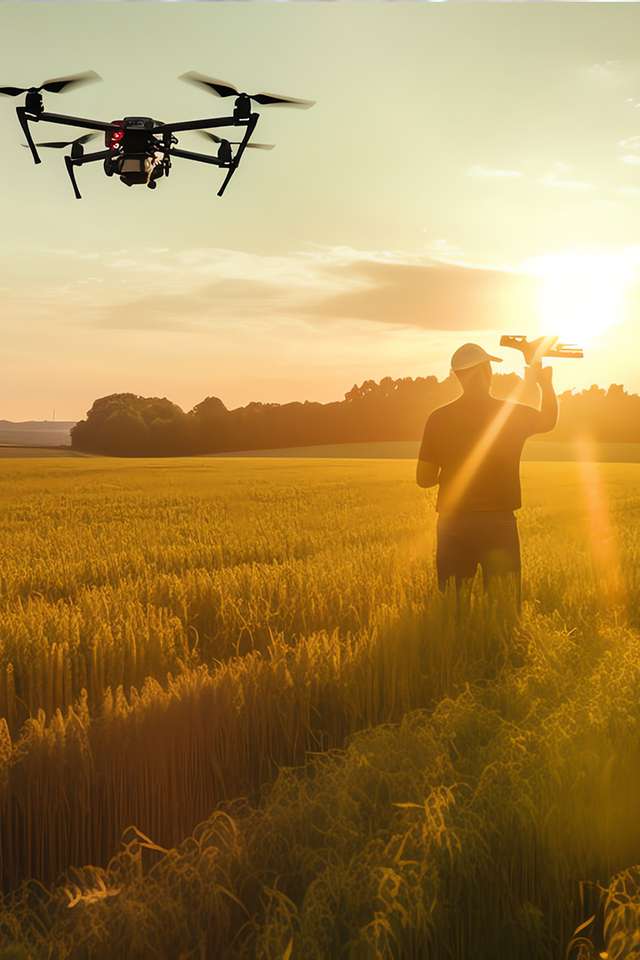
Precision Weeds Sprayer- This project uses drones, AI and image processing to develop technology to effectively manage weeds in farming crops.
Laser weed management- This project aims to investigate the use of laser irradiation to kill weeds precisely and study the feasibility of incorporating laser weed killing technology with farming autonomous platforms such as farming robots or drones.
Toads to Tadpole Baits- The Environmental Science team source toads that are collected routinely by community toad ‘busts’, where people rally to collect toads and euthanise them humanely. 80 tads were used by students during residential schools and the rest were processed by technical staff. All specimens had the paratoid glands removed. The glands were then sent to Watergum in Brisbane where they will be used to make cane toad tadpole baits to help in the ongoing cane toad eradication programs.
Precision Horticulture- CQUniversity’s Precision Horticulture team is focused on improving the productivity and profitability of Queensland’s major horticultural commodities. Specialist research skills within the team include pest physiology, drone-based crop sensing for early detection of pests and diseases, plant parasitic nematode management in vegetable crops and automated pest insect monitoring systems.
Plastic Waste
Drain Buddies
The Drain Buddies project, led by Dr Angela Capper at our Coastal Marine Ecosystems Research Centre (CMERC), will modify and install microplastic traps across Rockhampton and Livingstone shires, with monitoring to determine where the littering is occurring.
Clean Up Australia Day
CQUniversity is a Platinum Business Supporter of Clean Up Australia Day with events held across our campuses. Each year our staff and students step up and collect up to one ton of rubbish at simultaneous Clean Up Australia Day events across all mainland states. The 13 campus locations that participate in the annual event include Adelaide, Brisbane, Bundaberg, Cairns, Gladstone, Mackay Ooralea and City, Melbourne, Noosa, Perth, Rockhampton, Sydney, and Townsville.
Reusable Cup Initiative
This initiative partners with Plastic Free CQ and encourages all staff and students to use reusable cups when purchasing coffee on campus in a step towards a plastic-free future. The on-campus café at Rockhampton North 'Cups and Muffs' offers discounts to customers who bring their own reusable cups and also offers a cup library to borrow and return.
Ditch the Disposables
The Ditch the Disposables campaign is an ongoing initiative that continues to educate staff and students throughout our national footprint about the harmful effects of single-use plastic and encourages them to ultimately ‘ditch the disposables’ because small changes will have a big impact. The University has embarked on a long-term sustainability journey focusing on key areas with the greatest impact demonstrating its commitment to the environment.
Policies and Procedures
CQUniversity is guided by policies and procedures in relation to the Sustainable Development Goal 15: Life on Land. Our policies ensure that staff, researchers, students, contractors and all others involved with the university take responsibility on topics such as biosecurity, waste and sustainability.
As outlined in the Procurement and Policy and Procedure, CQUniversity is committed to protecting the environment and doing business with ethical and sustainably responsible suppliers during all stages of the procurement process. Buyers must plan, identify and integrate the practice of sustainability into the procurement of goods and/or services. Preference should be given to environmentally preferable goods and services that have a lower impact on the environment over the life cycle of the good or service when compared with competing goods or services serving the same purpose.
Refer to 4.6 Sustainable, social and Indigenous-focused procurement for more information.
This Sustainability Policy outlines the requirements of the executive, managers, employees and students in meeting the environmental sustainability objectives of the University. The Policy sets a clear turning point about the image it is portraying and various benchmarks the University is set for its teachers, students, employees, service providers and stakeholders about the sustainability of its activities.
Sustainability at the University is holistic through interconnecting elements to signify that one’s actions are connected to the larger picture and we are guided by our Sustainability Framework. Our sustainable development is focused on balancing social, economic and environmental needs and will be implemented through:
- engaging and empowering our employees, students and the community on sustainability issues
- establishing University-wide targets to reduce energy, water, solid waste and pollutants
- fulfilling our commitment to sustainable building designs and facilities
- developing sustainable campuses, and
- incorporating sustainability topics for teaching and research as interrelated components in all fields offered at our university.
The Code of Conduct for Research establishes the framework for managing CQUniversity’s responsibilities to conduct research ethically, responsibly, with integrity, and in compliance with the Australian Code for the Responsible Conduct of Research. The Code of Conduct for Research outlines the importance of respect for the environment and the community.
The Contract Management Policy and Procedure policy outlines the necessary requirements all contractors need to abide by, including that local biodiversity is included in planning and development.
Clause 4.10 outlines the commitment to the Environmental Protection Act 1994 where both the contractor and the contract manager have certain responsibilities in relation to work health and safety and, depending on the type of project, environmental protection.
The Contractor Occupational Health and Safety Management Procedure has been developed to provide a safe system of work incorporating a risk management approach to ensure that potential risks to health, safety and the environment are identified, assessed and controlled, allowing contractors to work safely while on CQUniversity worksites.
Outlined in clause 3.5 - 3.12 is the environmental protection information which includes information on pollution, sustainable land management and procedures to prevent any potential incidents towards the environment.
The purpose of the Institutional Biosafety Committee (IBC) is to provide a forum for addressing biosafety issues across the University. It also has a duty to protect students and staff of the University, as well as the Australian people and environment, by establishing procedures to minimise risk due to the release of any harmful organism into the environment.
The (IBC) has the specific responsibility to consider and advise on the following types of activity within research and teaching programs:
- The use of potentially infectious agents in laboratories (under Australian Standard AS/NZS 2243.3 and related professional and regulatory policies).
- Work with genetically modified organisms (under the Gene Technology Act 2000) and other guidelines provided by the Office of Gene Technology Regulator (OGTR).
- Activities relating to the safe handling and disposal of imported biological materials (Australian Government Department of Agriculture and Water Resources).
The Research Higher Degree Integrity Policy and Procedure defines integrity as it applies to research higher degrees (RHDs). It sets out CQUniversity’s expectations of research candidates to act in a manner that upholds the highest standards of integrity. It also sets out CQUniversity’s responses to and processes for addressing alleged breaches of research integrity by RHD candidates, including those of research misconduct.
This policy and procedure outline actions required when there are potential breaches to the environment.
The Engaging and Communicating with Aboriginal and/or Torres Strait Islander or First Nations People Protocol outlines the engagement practises to be followed with respect to Aboriginal and Torres Strait Islander or First Nations People and the acknowledgment and engagement required to work on cultural land.
The Research Involving Humans and or Animals for Ethical Clearance Policy and Procedure outlines the requirements of staff and students when working with animals for research purposes. All projects involving animal subjects shall be conducted in conformity with the NHMRC’s Australian Code for the Care and Use of Animals for Scientific Purposes. This code of conduct also includes information on alien species management.
CQUniversity's Handling and Storage of Hazardous Chemicals and Dangerous Goods Procedure outlines the hazardous material handling requirements for all people bringing hazardous materials onto CQUniversity campuses.
Educational Resources
Be Different - Professional Development Platform
Free Agricultural educational programs are available via CQUniversity's professional development platform - Be Different.
Listed below are some of the examples of free workshops available for students, teachers and community members to access to learn more about environmental ecosystems and technology and initiatives available to manage this sustainably.
Agri-tech Education
Agri-tech Education is a collection of projects aimed to showcase the scientific and digital skills required in the agricultural industry to upskill the current agricultural workforce and attract the next generation to work in the food and fibre production sector.
Women in Agri-tech
The ‘Women in Agri-tech’ project will create and foster a strong network of female teachers who will become leaders in digital literacy, STEM and entrepreneurship in regional, rural and remote areas.
RACE - Gippsland
This online RACE - Gippsland resource includes three learning modules:
- Traceability of Gippsland Produce Module
- Diving into Dairy Data Module
- Potato Fries and Food Waste Module
Prawn Farmers Digital Skills Hub
Prawn Farmers Digital Skills Hub
GPS Cows
This online GPS Cow resource provides has been co-designed by the NSW Department of Education and CQUniversity Australia for the NSW Stage 5 Agriculture Syllabus. It incorporates content from the Agriculture and Food Technologies and the Digital Technologies contexts. The course investigates the use of GPS data to improve the management of animal welfare.
There are seven (7) modules in this resource:
- Design your own research trial
- Collect your own livestock tracking data and create your own paddock boundary files
- Cleaning GPS data
- Importing data layers in ArcGIS
- Paddock utilisation
- Elevation
- Soil
Future Learn
CQUniversity is a partner of Future Learn. This program provides short courses from around the world for free or low cost. CQUniversity provides 18 courses via this platform, including A Beginner's Guide to Environmental Science: Wicked Problems and Possible Solutions. Students will be learning about the nature of environmental science, resources, the basis of the world’s ecosystem, and the concept of the triple bottom line for sustainability.
How to Study Climate Science and Environmental Sustainability at CQU
Undergraduate Courses
Bachelor of Agriculture - this degree will equip you with the agriculture knowledge, critical thinking and problem-solving skills required to play important professional roles in improving the productivity and sustainability of modern agriculture.
Bachelor of Science and Environmental - this degree will equip you to solve current and future medical, environmental, industrial and technological problems and launch your dynamic career in this field Enjoy the flexibility to tailor your degree to suit your interests and career goals with a choice of majors in Botany and Zoology, Chemistry, Earth and Climate Science or Environmental Management, and a range of minors available.
Integrated within these degrees are multiple avenues for students to learn and practice theory and skills in land and water ecosystems. This content includes term-long units of study such as Integrated Land and Water Management and Sustainable Landscapes and can cover focused elements within broader units of study. The Bachelor of Environmental Science degree includes a major in "Integrated land and water management", reflecting a strong focus on the interrelationship between land use and aquatic systems, and how best to manage them.
Each of the above-mentioned courses provides opportunities for students to complete Work Integrated Learning relevant to the field of study.
Post Graduate Courses
Graduate Certificate in Social Innovation Leadership- this course is a multi-disciplinary course that equips you with a strong foundational knowledge about social innovation, entrepreneurship, and leadership skills.
Graduate Certificate in Entrepreneurship, Innovation and Sustainability- this course allows you to acquire academically rigorous knowledge of contemporary sustainable management principles and practices. In addition, you will gain practical, transferable skills that support you in your entrepreneurship and innovation ambitions.
Graduate Certificate in Sustainable Development- this course is designed to equip professionals with the expertise to address complex environmental challenges, the course delves into the interconnected social, economic, and governance aspects of sustainability.
Graduate Diploma of Sustainable Development- this postgraduate sustainability degree offers a comprehensive exploration of sustainability principles and practices, equipping you to address complex environmental challenges and promote sustainable development across various sectors.
Master of Sustainable Development- In this postgraduate sustainability degree, you will delve into advanced topics, including sustainable resource management, policy analysis and corporate sustainability strategies. You will build and advance your understanding of sustainability in areas such as emergency and disaster management, community engagement and resource management, climate change, demography, business sustainability, public health and more. This extensive coverage will equip you with a robust and multi-faceted understanding of sustainable development.
Undergraduate Units
- AGRI13009- Sustainable Agricultural Development: Local and Global
- AVAT13022- Sustainable Aviation
- BOTN13002 - Plants and the environment
- CHEM19085- Environmental Chemistry
- ECON19031- Environmental Economics
- EDCU12041 - Sustainability through active citizenship
- EDEC11030 - Teaching Health and Sustainability in the Early Years
- ENAG11008- Professional and sustainable Engineering Practice
- ENEG11009- Fundamentals of Sustainable Energy
- ENTA13025- Sustainable Energy for Aviation
- ENTC13011 - Environmental Engineering
- ENVH12002- Environmental Health Law
- ENHV12003- Environmental Toxicology
- ENVR11014- Environmental Monitoring
- ENVR12001 - Soil Science and Conservation
- EVST11001 - Development and Environmental Policy
- EVST13016- Catchment to Reef Management
- EVST13018- Environmental Management Systems
- EVST19007 - Environmental and Social Impact Assessment
- EVST19015 - Australian Environmental History
- EVST19020 - Environmental Management Systems
- EVST19021 - Sustainability Issues and Solutions
- EVST19022 - Climate Change : Risk and Assessments
- GEOG11024 - Conservation in Australia
- GEOG12020- Australian Weather and Climate
- GEOG13013 - Sustainable Regions and Cities
- LAWS12067- Environmental Law
- LAWS13024 - Law and the Environment
- PBHL13001 - Public Health and Environmental Sustainability
- SUST11001 - The Changing World and Sustainability
Postgraduate Units
- COIT29223- Blockchain Technologies for Sustainable Business Applications
- EVST28001- Climate Change: Risk and Assessments
- MGMT20132- Innovation and Sustainable Business Development
- MGMT20134 - Business Ethics and Sustainability
- MGMT20142- Contemporary Issues in Entrepreneurship, Innovation and Sustainability
- MGMT20148 - Strategic Solutions for Sustainable Organisations
- MGMT29010- Innovation and Sustainable Business Development
- ENEG20003 - Sustainability Studio
- SCIE29001- Sustainability in Practice
- SCIE29002- First Nations Perspectives in Sustainability
Institute for Future Farming Systems
Our world-leading agriculture research program