Precision Horticulture
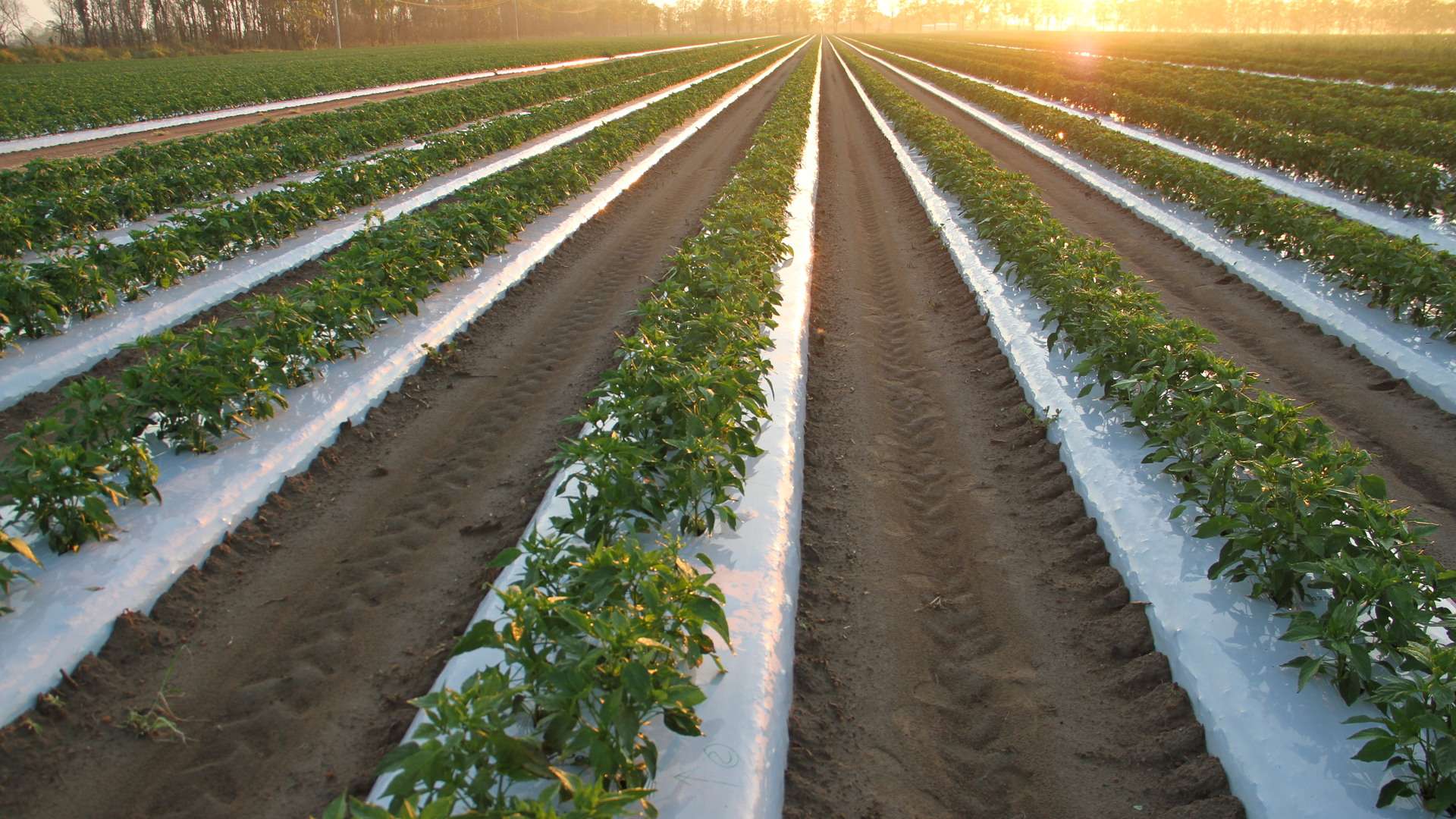
Horticulture currently contributes more than $3 billion to the Queensland economy. Our research team aims to deliver innovative farming practices that will make a substantial impact on its regional development.
The team is based in Bundaberg, Australia’s most diverse and fastest growing horticultural region with an international reputation for producing a range of crops including macadamia, avocado, lychee, citrus, berries, sweet potato, capsicum and chillies. The region also incorporates some of Australia’s largest protected cropping enterprises growing cucumbers, eggplant, figs and blueberries.
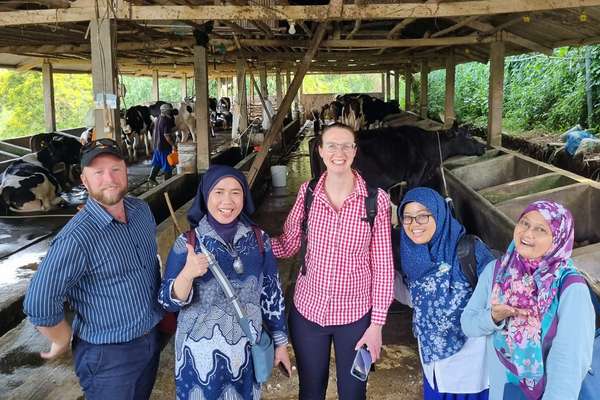
Led by Associate Professor Dr Oliver Knox, the Precision Horticulture team also undertakes international development projects in the Pacific region to improve the livelihoods of horticultural crop growers in our region.
The team also specialises in research on agtech development and use on farms, improving the Bundaberg region’s agricultural productivity and profitability through greater uptake of agricultural technology.
Specialist research skills within the team include:
- Horticultural crop physiology and agronomy
- Production practices for subtropical and tropical environments
- Applications of agtech in horticultural systems
- Protected cropping in subtropical and tropical environments
- International agricultural development
- Understanding practice change in farming systems
- Social science expertise, including participatory research and human-centred approaches.
Research Projects
Our research projects are designed to drive innovation across Australia’s most dynamic horticultural regions and beyond. From crop sensing and automation to international development and supply chain optimisation, our work supports more productive, sustainable, and profitable farming practices.
IFFS was responsible for implementing the Hinkler AgTech Initiative, a $5 million commitment under the Australian Government’s Hinkler Regional Deal. The Initiative increased the region’s agricultural profitability and productivity by facilitating greater utilisation of agricultural technology (AgTech).
The PNG Sweetpotato Commercialisation project assisted small-holder sweet potato farmers in the Papua New Guinea highlands move from subsistence farming to market-oriented production.
Led by CQUniversity and funded by the Australian Centre for International Research (ACIAR), the five-year project strengthened supply chains to selected high-value markets and improved crop productivity through the supply of clean, high-performing planting material and new production practices
This Hort Innovation funded project is aimed at improving the quality and marketability of capsicum and chilli, which are high-value crops contributing over $200 million annually at the farm gate.
Quality issues- such as internal rot, silvering, and pitting- have led to significant losses due to rejected consignments. With production increasingly moving to protected cropping systems and a growing diversity of product types, including mini and snacking varieties, new challenges are emerging in maintaining quality across the supply chain.
This project aims to optimise post-farm gate handling, storage, and cool chain logistics; improve on-farm practices to achieve more uniform ripening and reduce defects; and promote the adoption of best practices.
To ensure meaningful outcomes and widespread impact, the CQUniversity project team is working closely with grower groups nationally to guide activities, share knowledge, and support adoption across diverse production regions.
Key Research Personnel
Led by Associate Professor Dr Oliver Knox, our multidisciplinary team brings together expertise in agronomy, plant physiology, agricultural technology and more. Meet the researchers behind our work and discover how their skills are helping to shape the future of horticulture.
Associate Professor Dr Oliver Knox is originally from Scotland where he completed his tertiary education with a PhD in plant and soil science. Oliver's summers were spent in Surrey, on a mixed enterprise farm that made Oliver realise he was unlikely to ever be a farmer, but instilled an appreciation for those who are. His early career was pathology focused on disease in spruce plantations and tomatoes. This resulted in further education in soil science, which facilitated Oliver's move to Australia in 2003 and work in the cotton industry. He returned to Scotland in 2008, to a government position that fostered Oliver's interest in rotational systems.
He came back to Australia in 2014, reintroduced soil biology to the UNE undergraduate curriculum and undertook soil engagement work. Oliver has discovered new species of nematodes, delivered a soil health strategy and been heavily involved in the textile recycling space, but it was his work introducing the 'soil your undies' project to Australia that has won him national and global recognition.
Professor Phil Brown is a Professor of Horticultural Science. He is an agricultural scientist with a passion for working with agribusinesses and associated industries to improve their productivity, profitability and sustainability, and has had a long engagement with Australia’s horticultural industries through participation in state and national industry planning workshops and involvement in reviews of national horticultural research programs.
Phil's research expertise is in horticultural science, with a focus on plant physiology and agronomy. He works closely with industry partners to deliver practical outcomes based on an understanding of the physiological and anatomical basis of crop development.
Associate Professor Cathy O’Mullan is a research-focused academic at CQUniversity and is passionate about capturing the voices of marginalised populations through qualitative and participatory research approaches.
She has a particular interest in applying a gender equity perspective to her work in women's health, sexual health and domestic violence. Her most recent research focuses on international development where she is committed to working with women subsistence farmers in PNG and Fiji to improve health and livelihoods.
She is a committed and engaged community-based researcher who seeks to foster inclusive partnerships. She also strives to develop capacity-building opportunities for all those involved, particularly community organisations and members.
Cathy has been awarded over $2.5 million in external research funding, most as Chief Investigator. She has published over 40 refereed manuscripts and has authored several industry reports.
Karli Groves has been studying and working with CQUniversity since 2012 and continues to pursue an academic career in agricultural research. She is passionate about forging close relationships with agribusinesses and applying agricultural research outcomes to real-life farming systems.
Karli completed her PhD with CQUniversity investigating protected cropping, during which she developed a range of skills and knowledge in the areas of horticultural science and plant physiology.
Richard Koech obtained his Masters and PhD in Agricultural Engineering from the University of Southern Queensland (USQ).
Richard’s expertise and research interests include agricultural soil and water management, smart irrigation and water metering, remote sensing and spatial analysis, and agricultural education and extension. Richard has previously worked in a government department as an agricultural engineer and for other universities as a lecturer and research engineer.
Dr Tham Dong is a Postdoctoral Agricultural Scientist who has studied and worked at CQUniversity since 2016 and continues to pursue an academic career in agricultural research. Over this time, Tham has developed a strong passion for horticultural science and for working collaboratively with agricultural industries to improve productivity, profitability, and sustainability. Her research focuses on horticulture, particularly plant physiology, agronomy, plant nutrition, and precision agriculture.
Tham is interested in understanding plant growth, development, and responses to environmental and nutritional factors, and applying this knowledge to improve crop productivity, quality, resilience, and resource-use efficiency. She’s passionate about translating research into practical, industry-focused solutions and working with growers, researchers, and industry partners to support productive, profitable, and sustainable horticultural systems.
Other Research in the Insitute for Future Farming Systems
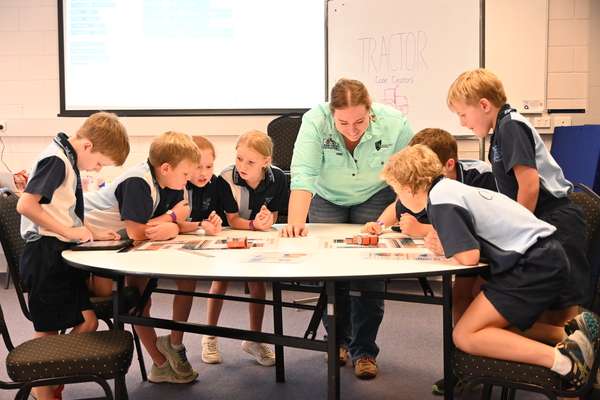
Agricultural Education and Extension
Driving adoption of new farming practices and technologies by changing the way end-users engage with information by combining innovative methods of education, behavioural psychology and mass communications.
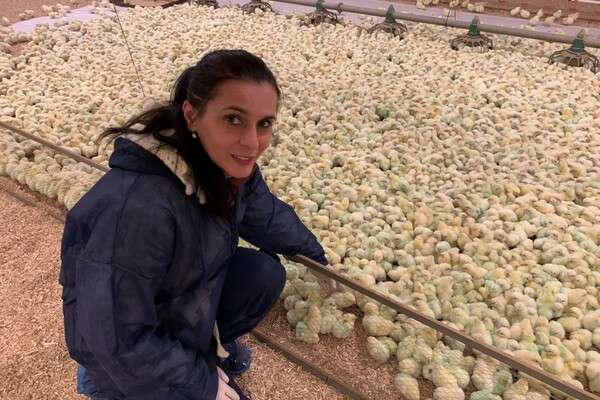
Agricultural Microbial Genomics
Discover how CQUniversity’s Microbial Genomics team is improving livestock health and productivity through gut microbiota research, next-generation probiotics, and sustainable farming solutions.
Precision Cropping Systems
The Precision Cropping Systems cluster delivers applied research, training, and industry partnerships to boost productivity and sustainability in northern Australian agriculture.
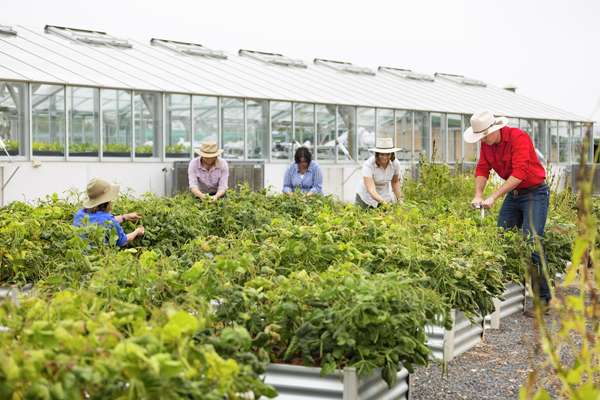
Non-Invasive Sensor Technology
CQUniversity’s Non-Invasive Sensor team has led the world in the use of near infrared spectroscopy for assessing horticultural produce.
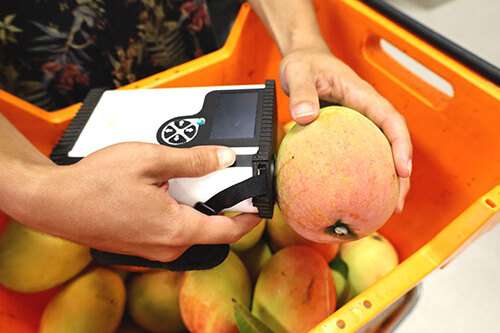
Precision Livestock Management
The Precision Livestock Management team leads tech-enabled research to improve productivity, sustainability, and animal welfare in northern Australia and the Indo-Pacific.