AI and Drones Take Flight in a World-first Weed Control Breakthrough
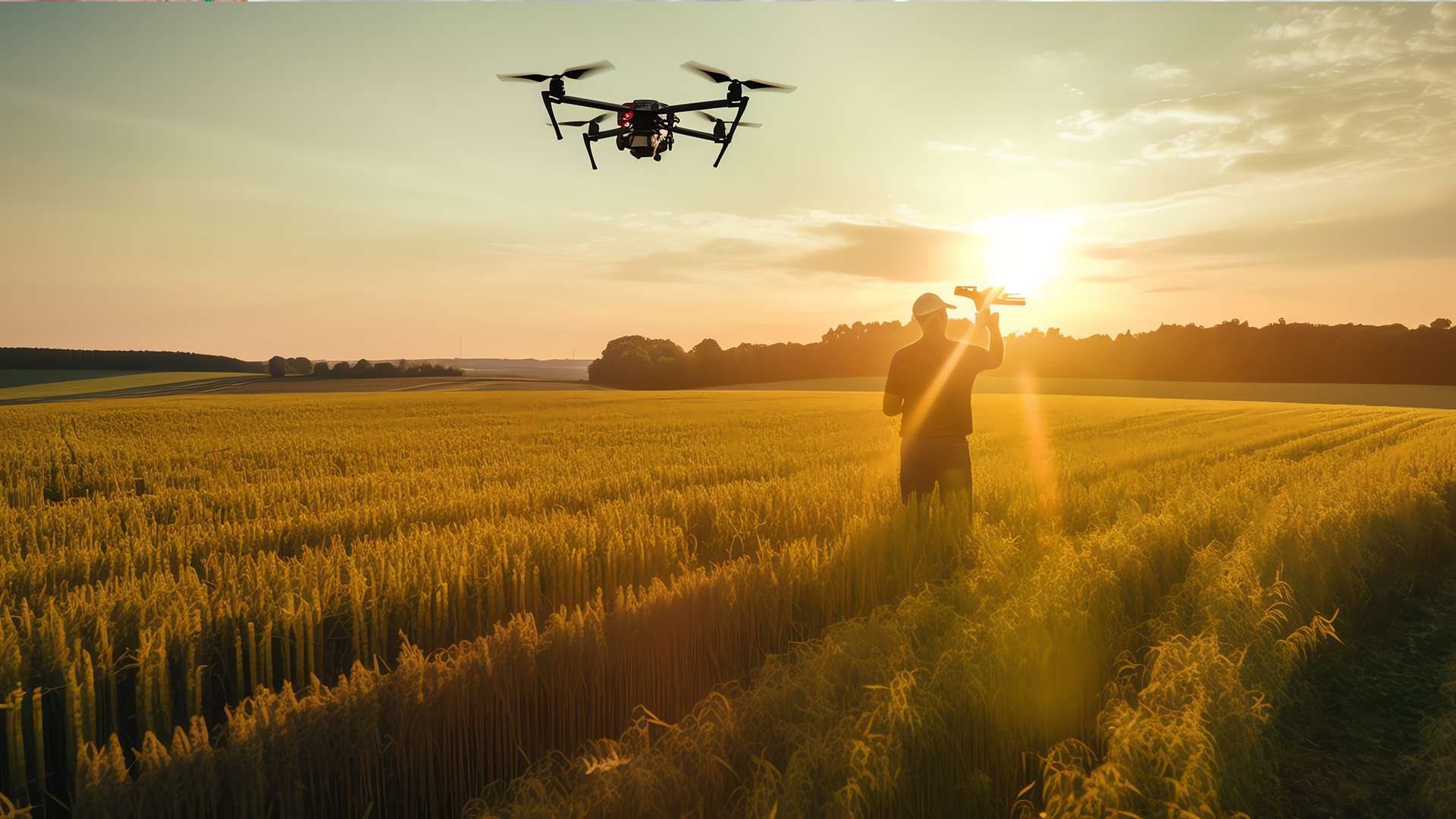
A farmer flying a drone over their crops at sunset
CQUniversity researchers are revolutionising weed management by combining artificial intelligence, drones and precision spraying technology to reduce herbicide use, lower farming costs and improve the sustainability of Australian agriculture.

Key points

  • AI-powered drones identify and precisely target weeds, replacing blanket herbicide spraying with a smarter, more sustainable approach that reduces costs and environmental impacts.
  • Successful field trials in Central Queensland have led to more than AUD$1.1 million in Australian Government funding to commercialise the technology through the Australia’s Economic Accelerator (AEA) Innovate program.
  • The world-first technology integrates AI, GPS, robotics and autonomous drones to create a scalable precision agriculture solution for Australian farmers. 

Our Research

Challenge

Australian farmers spend an estimated AUD$5 billion every year managing weeds. Traditional blanket herbicide spraying is expensive, wastes chemicals and can negatively impact surrounding crops and the environment. 

As herbicide costs continue to rise and environmental expectations increase, growers need more precise, efficient and sustainable methods of weed control. However, detecting individual weeds across large cropping areas has remained a significant technical challenge.

Solution

CQUniversity researchers have developed a world-first AI-driven precision weed management system that combines:

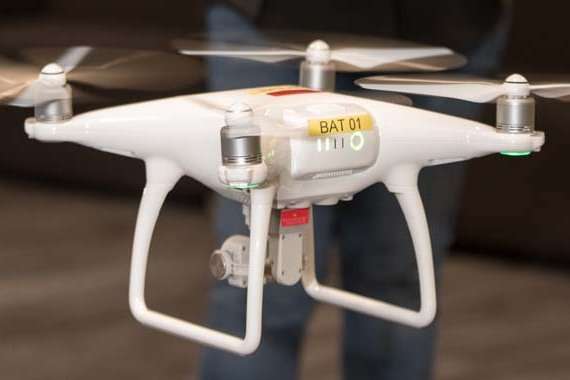
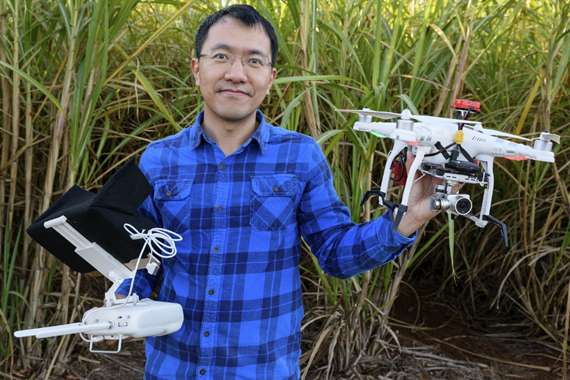
  • lightweight autonomous drones
  • artificial intelligence and computer vision
  • GPS mapping
  • Internet of Things (IoT) communication
  • precision herbicide spraying. 

The system captures thousands of high-resolution aerial images, automatically identifies weeds using onboard AI, generates GPS coordinates and communicates directly with spraying drones that apply herbicide only where it is needed.

Unlike conventional systems, image processing occurs locally rather than relying on cloud computing, enabling faster decision-making in the field. Successful cotton field trials in Central Queensland demonstrated the technology's ability to accurately detect and target weeds in real-world farming conditions. 

Impact

Reducing costs for farmers

Targeted spraying significantly reduces herbicide use by treating only individual weeds instead of entire paddocks. This has the potential to lower production costs while improving the profitability of Australian farming enterprises. 

Supporting sustainable agriculture

Reducing unnecessary chemical application lessens environmental impacts, protects surrounding crops and contributes to more sustainable farming practices. The project supports Australia's transition towards precision agriculture and smarter resource use. 

Accelerating commercialisation

Following successful field trials, the project secured AUD$1,136,194 through the Australia’s Economic Accelerator Innovate program to advance patenting and commercialisation.

The funding will support development of an investor-ready technology capable of delivering practical benefits to Australian agriculture and creating future economic opportunities. 

Building national research capability

The project brings together expertise in AI, robotics, mechatronics, agronomy and precision agriculture, demonstrating CQUniversity's leadership in agricultural technology and industry-focused innovation. 

  • Dr Nahina Islam - Project leader specialising in artificial intelligence and agricultural informatics.
  • Associate Professor Jahan Hassan - Project leader specialising in drone systems, autonomous technologies and agricultural engineering.
  • Associate Professor Biplob Ray - Project leader specialising in Internet of Things (IoT), intelligent systems and agricultural technologies.
  • Dr Md Nurun Nabi
  • Dr Lasi Piyathilaka
  • Dr Zhenglin Wang
  • Professor Stephen Xu (Charles Darwin University) 

The project is delivered through strong collaboration between academia, industry and government, including:

  • Camzilla
  • Impexpo Pty Ltd
  • ConnectAuz Pty Ltd
  • Foxwell Farms
  • DQ Commodities
  • Logical Analysis
  • Northern Territory Department of Agriculture and Fisheries
  • Charles Darwin University
  • Australian Government – Australia’s Economic Accelerator (AEA) Innovate Program. 

Subscribe to Impact Connections

Stay up to date with the latest CQUniversity research making a difference in communities across Australia and around the world. Subscribe to the Impact Connections newsletter.

Subscribe