AI and ocean data target plastic for Indo-Pacific cleanup
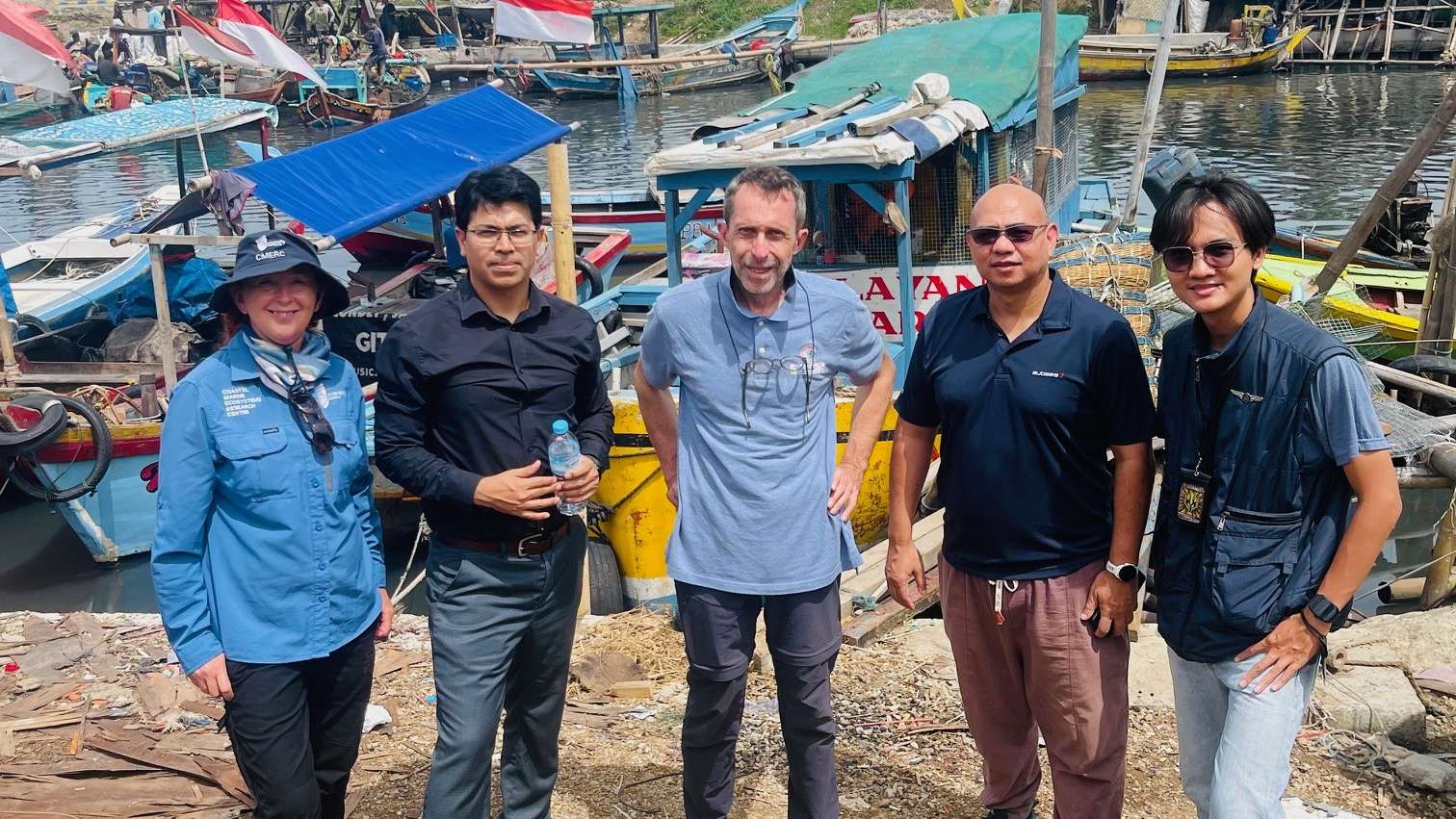
Five people stand on a dock in front of boats in Jakarta.
CQUniversity researchers are using artificial intelligence, live river and ocean data and regional partnerships to predict plastic pollution hotspots, enabling faster, smarter and more effective marine clean-up efforts across the Indo-Pacific.

Key points

  • AI-powered technology predicts plastic pollution hotspots by combining computer vision with live weather and oceanographic data, enabling clean-up teams to target waste before it spreads through marine ecosystems.
  • The NO-PLASTIC project brings together Australia, Singapore and Indonesia, combining AI research, oceanographic modelling and community-led clean-up operations to tackle one of the Indo-Pacific's most significant environmental challenges.
  • The scalable system has the potential to strengthen marine stewardship, inform environmental policy and improve coastal ecosystem health across the region.

Our Research

Challenge

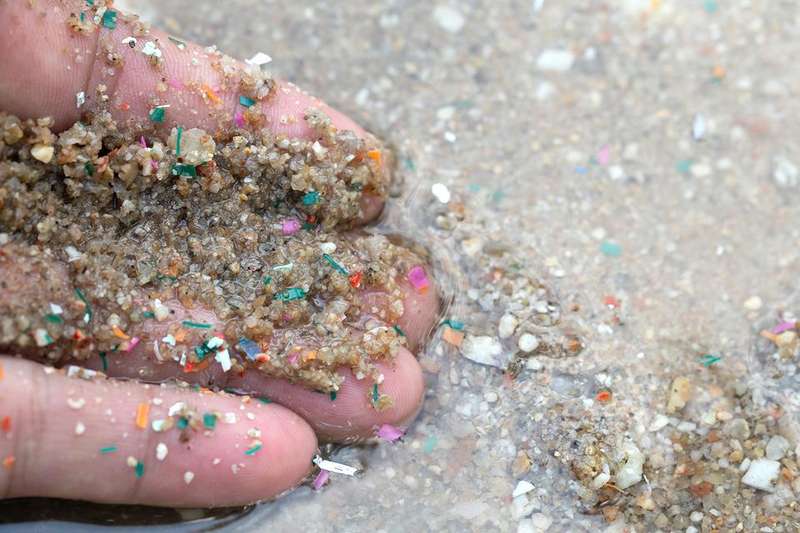
Every year, an estimated 11 million metric tonnes of plastic enter the world's oceans, threatening marine ecosystems, biodiversity and coastal communities. Jakarta Bay is one of the Indo-Pacific's most heavily impacted marine environments, where tides, river flows and urban runoff combine to create recurring plastic pollution hotspots. 

Traditional clean-up operations often rely on locating waste after it has accumulated, making them labour-intensive, costly and less effective. There is a growing need for technologies that can predict where plastic will accumulate so clean-up efforts can be deployed more strategically.

Solution

CQUniversity researchers led the NO-PLASTIC project, developing an AI-enabled monitoring system that combines:

  • computer vision models analysing CCTV and drone imagery
  • live oceanographic and meteorological data
  • AI prediction models that forecast the movement of floating plastic waste. 

The system identifies likely plastic accumulation hotspots in real time, allowing local operators to deploy trawl nets and other clean-up equipment exactly where it will have the greatest impact. Rather than replacing local teams, the technology enhances decision-making and improves the efficiency of existing clean-up operations. Current clean-up efforts are largely reactive and lack the predictive evidence needed to target interventions effectively. This highlights the need for technologies that can rapidly detect and forecast plastic accumulation, prioritise intervention sites and support targeted management.

Researchers also worked directly with partners in Singapore and Indonesia to ensure the technology performs effectively under local conditions, including rapidly changing tides, weather and river flows. 

Impact

Smarter clean-up operations

By predicting where plastic will accumulate before it disperses, the system enables faster, more targeted and more cost-effective clean-up operations, reducing the amount of waste entering wider marine ecosystems. 

Building regional capability

The project combines Australian AI expertise, Singapore's environmental data and Indonesia's operational experience to create a practical model for international collaboration. This approach strengthens local capability while supporting community education and long-term behaviour change around plastic waste. 

Supporting healthier oceans

The technology has the potential to improve the health of coastal ecosystems throughout the Indo-Pacific, reducing marine plastic pollution before it reaches sensitive habitats or Australian waters. The project also aims to inform environmental policy and provide a scalable solution that can be adapted for other regions facing similar challenges. 

  • Dr Anwaar Ulhaq
    Project lead and artificial intelligence researcher. Dr Ulhaq leads the development of the AI-powered computer vision system, integrating image analysis with oceanographic and meteorological data to predict marine plastic accumulation hotspots.
  • Dr Angela Capper
    Co-Investigator and marine ecotoxicologist specialising specialising in marine pollution and environmental monitoring. Dr Capper leads the environmental research, stakeholder engagement and translation of research into practical marine conservation outcomes.
  • CQUniversity Australia – project lead, AI development and research design
  • CSIRO Indo-Pacific Plastics Innovation Network (IPPIN) – project funding
  • Global MetOcean (Singapore) – high-resolution oceanographic and meteorological data
  • OceanKita (Indonesia) – local deployment, clean-up operations and community engagement 

Subscribe to Impact Connections

Stay up to date with the latest CQUniversity research making a difference in communities across Australia and around the world. Subscribe to the Impact Connections newsletter.
Subscribe