Turning soft plastic waste into a resource
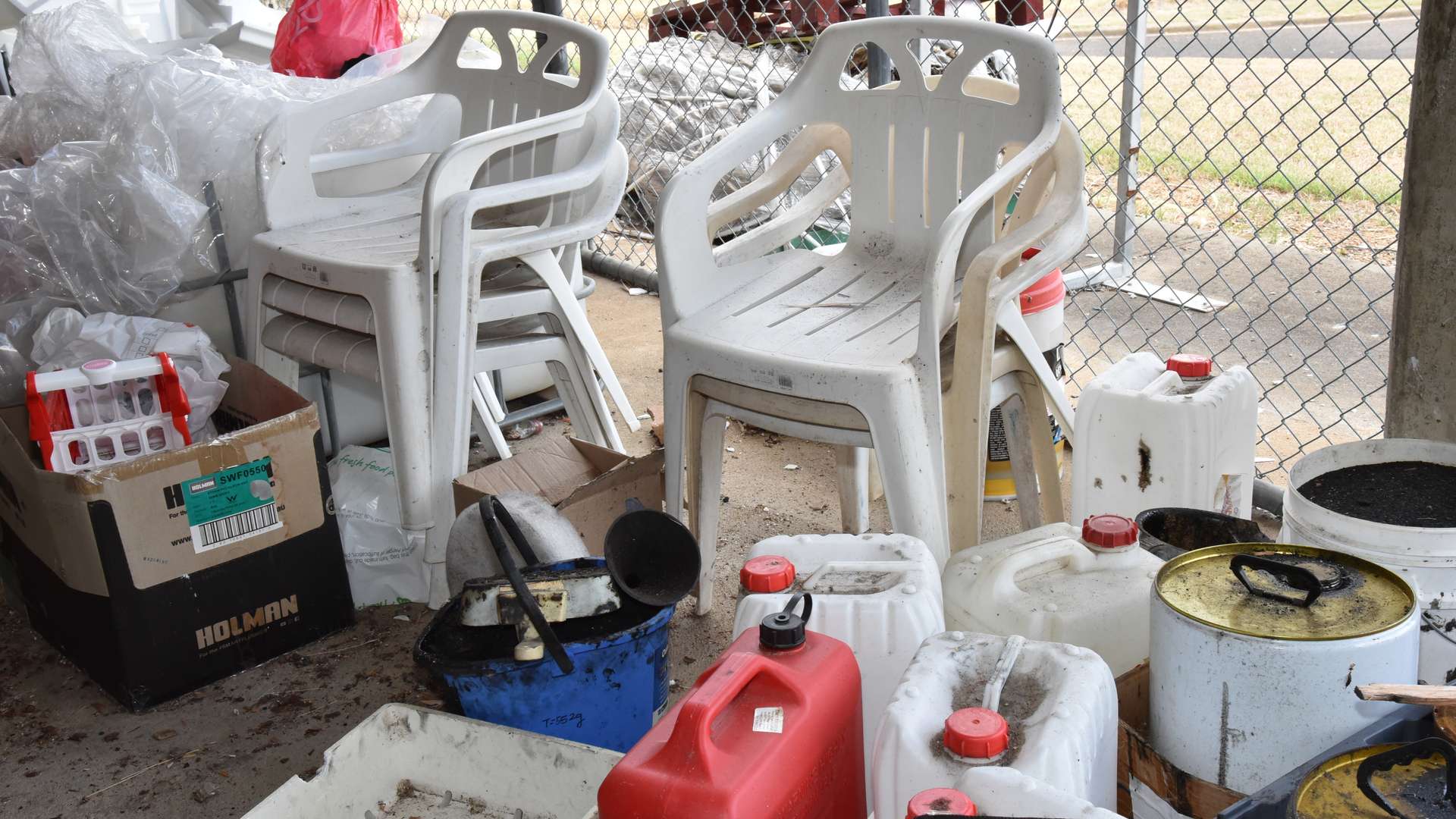
A range of plastics: chairs, bottles, bags in a shed
CQUniversity researchers are working with industry partners to improve the conversion of hard-to-recycle soft plastics into valuable products, helping divert waste from landfill and support a more circular plastics economy.

Key points

  • CQUniversity is a key partner in the Solving Plastic Waste Cooperative Research Centre (SPW CRC), working to transform how difficult-to-recycle plastics are managed.
  • Researchers are optimising pyrolysis technology to convert soft plastics that cannot be mechanically recycled into valuable products, including oils that can potentially be used to produce new plastics.
  • The research could help divert large quantities of soft plastic from landfill, increasing the recovery and value of end-of-life plastics and supporting a more circular economy. 

Our Research

Challenge

Plastic waste is a global environmental challenge, but some plastics are particularly difficult to recycle.

Polyolefins account for around 43 per cent of plastics used in Australia and are heavily represented in the waste stream because they are commonly used in short-life products such as soft plastic packaging. 

Many soft plastics cannot be mechanically recycled because they are contaminated or made from complex multilayer films. As a result, significant quantities are sent to landfill rather than being recovered and reused.

The challenge is to find economically and technically viable ways to recover value from these difficult-to-recycle materials.

Solution

CQUniversity researchers are working on pyrolysis process optimisation and control system development to improve the quality and value of products generated from waste plastics.

Pyrolysis is a thermochemical process in which plastic waste is heated—typically at temperatures of around 300–900°C or higher—with little or no oxygen. This breaks the plastic down into energy-containing products including:

  • oil
  • char
  • syngas (synthetic gas). 

The CQUniversity team is developing reactor models to optimise process efficiency, with the aim of improving both the yield and value of the resulting oil.

Impact

Diverting plastic from landfill

The research aims to provide technical support for the diversion of large quantities of soft waste plastics from landfill, helping address one of the most difficult parts of Australia's plastics waste stream. 

Recovering value from waste

Rather than treating difficult-to-recycle plastic as waste with no further use, pyrolysis creates an opportunity to recover valuable products from it.

The research is focused on improving the efficiency, yield and quality of these products, helping maximise the value recovered from end-of-life plastics. 

Supporting a circular plastics economy

The ability to convert problematic soft plastics into oils that can be used to make new polyolefins could contribute to a more circular approach to plastics and keeping materials in productive use rather than sending them directly to landfill. 

Connecting research with industry

The project demonstrates CQUniversity's role in collaborative research aimed at solving a major environmental and industrial challenge. Through the SPW CRC, researchers are working with partners to move technological solutions towards practical application. 

  • Professor Mohammad Rasul- Project Lead, Professor Mohammad Rasul leads the research into pyrolysis process optimisation and control system development.
  • Dr Ashfaque Chowdhury- Research team member contributing to the development and modelling of the pyrolysis technology.
  • Dr Nur Hassan- Research team member working on the optimisation and development of the reactor systems.
  • Dr Jahirul Islam- Research team member contributing to the research into improving process efficiency and product yield.
  • Dr Mehedi Hasan- Research team member contributing to perform pyrolysis experiment and process optimisation

The project brings together expertise in:

  • Thermochemical conversion
  • Pyrolysis
  • Waste-to-energy technologies
  • Process modelling and optimisation
  • Control systems
  • Plastics recycling
  • Circular economy and resource recovery 

Solving Plastic Waste Cooperative Research Centre

CQUniversity is a key partner of the Solving Plastic Waste Cooperative Research Centre (SPW CRC), which brings together research and industry expertise to develop solutions to Australia's plastic waste challenge. 

The collaboration provides a pathway for CQUniversity research to contribute to practical solutions for recovering value from difficult-to-recycle plastics.

  • Hasan, M.M., Haque, R., Jahirul, M.I. and Rasul, M.G. (2025), Pyrolysis of plastic waste for sustainable energy recovery: Technological advancements and environmental impacts, Energy Conversion and Management, 326, 119511, Elsevier.
  • Jahirul, M.I., Rasul, M.G., Faisal, F., Sattar, M.A. and Dexter, R.B. (2023), Standard diesel production from mixed waste plastics through thermal pyrolysis and vacuum distillation, Energy Reports, 9 (11), pp. 540-545, Elsevier.

  • Faisal, F., Rasul, M.G., Jahirul, M.I., Chowdhury, A.A. and Schaller, D. (2023), Uncovering the differences: A comparison of properties of crude plastic pyrolytic oil and distilled and hydrotreated plastic diesel produced from waste and virgin plastics as automobile fuels, Fuel, 350, 128743. Elsevier. 

  • Mustayen, A.G.M.B., Rasul, M.G., Wang, X., Negnevitsky, M., Hazrat, M.A. and Jahirul, M.I. (2023), Impact of waste-plastic-derived diesel on the performance and emission characteristics of a diesel engine under low load conditions, Energy Conversion and Management, 283, 116936, Elsevier.

Subscribe to Impact Connections

Stay up to date with the latest CQUniversity research making a difference in communities across Australia and around the world. Subscribe to the Impact Connections newsletter.

Subscribe