
African opportunity strengthened psychology graduate for regional career
By Tiahna Fiddling
Less than a week after completing her Master of Professional Psychology, CQUniversity graduate Kayla Gordon boarded a plane to support hospital practitioners across Ghana in West Africa.
After learning about the overseas opportunity on CQU's careers page, Kayla spent her final year of study fundraising in her hometown of Bundaberg.
That community support, alongside a CQUniCares Alumni Development Funds Grant helped to fund the volunteer placement.
"I have always been interested in community-based, humanitarian work where I could use my knowledge and skills to give back," Kayla said.
"I think it is important to grow outside your comfort zone and to experience people and cultures that are very different to your own world view."
Kayla first worked alongside mental health nurses to treat clients with schizophrenia and epilepsy, supporting medication adherence through client and family education at Hope Christian Hospital in Fetteh.
At Mother and Child Hospital in Kasoa, she sat in on talk therapy and psychoeducation sessions covering marital issues, obsessive-compulsive disorder (OCD) relapse prevention and depression.
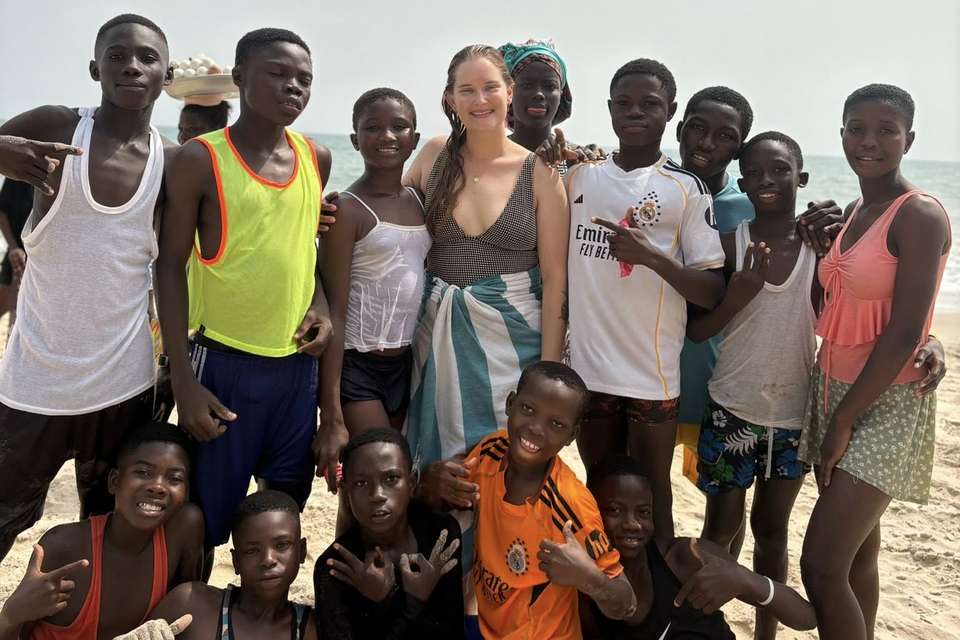
As the only foreigner in many settings, Kayla described the experience as 'challenging' - as she adjusted to a new climate, diet, infrastructure and pace of life.
"The culture shock was significant, and I felt isolated much of the time. There were moments where I doubted whether I would be able to manage in such a different environment, away from my usual support systems.
"While the hospital facilities were very different from those in Australia, the clinical training and assessment processes were familiar, which was reassuring.
"I conducted clinical intakes, Mental State Examinations (MSEs), took full histories and applied diagnostic criteria, all of which were skills I had learnt during my studies."
Kayla said her CQU training helped to develop her practical assessment and formulation skills, but also the confidence to adapt those skills in settings where resources and systems looked very different from what she had trained in.
"CQU's emphasis on cultural competency was particularly critical. I was reminded to take a 'student stance' and to remain curious and avoid assuming expertise over someone's lived experience," Kayla said.
"I remember discussing a mock case with a nurse and realised just how much my perspective shaped the way I conceptualised the client's presentation and how I put emphasis on never assuming and always seeking a deeper understanding of a person's lived experience.
"It also strengthened my appreciation for having trained in a highly multicultural setting, where curiosity and culturally responsive practice are prioritised allowing me to work with anyone."
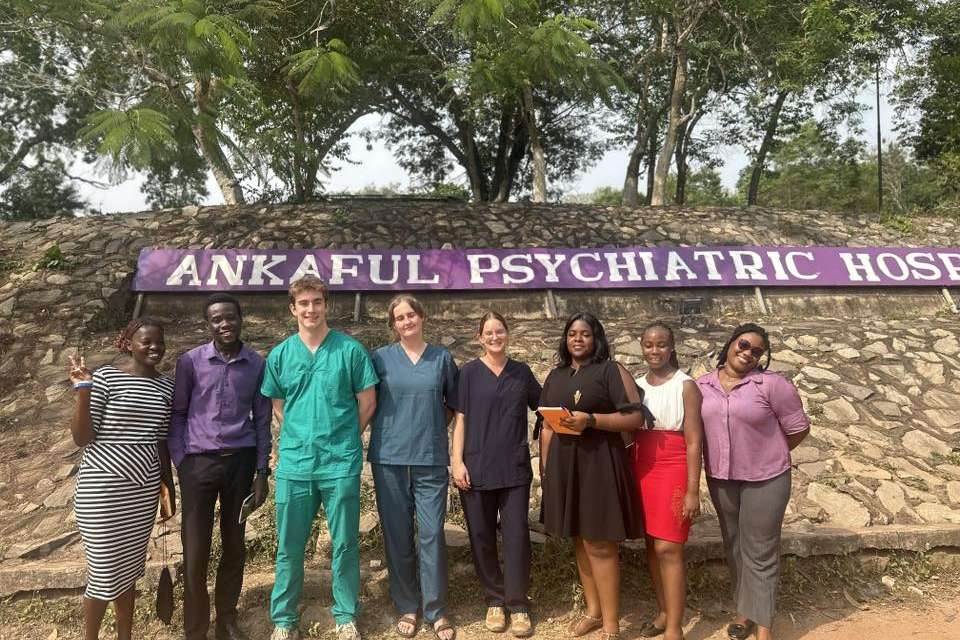
At Ankaful Psychiatric Hospital, Kayla worked in both acute wards and a rehabilitation unit, conducting MSE's, case formulations and motivational interviewing with patients, many of whom were admitted involuntarily.
She also attended Narcotics Anonymous meetings in the rehabilitation ward, where she was struck by the resilience of those in recovery.
"Many patients in the acute wards presented with substance user-induced psychosis, schizophrenia and bipolar disorder.
"Ghana's mental health system operated under significant constraints and most services are funded out of pocket by patients' families. Physical facilities were basic and mental health stigma remained a significant barrier to care," Kayla explained.
"In acute psychiatric episodes, patients are sometimes taken to religious prayer camps before reaching hospital, further delaying clinical treatment.
"Mental health nurses in Ghana hold a broader scope of practice than in Australia, including the ability to diagnose and prescribe antipsychotic medication."
Kayla said the placement strengthened her commitment to working in regional Australia, where she said there was a demand for mental health practitioners.
"I developed greater confidence in my clinical skills, particularly formulation, assessment, diagnosis and micro-counselling techniques.
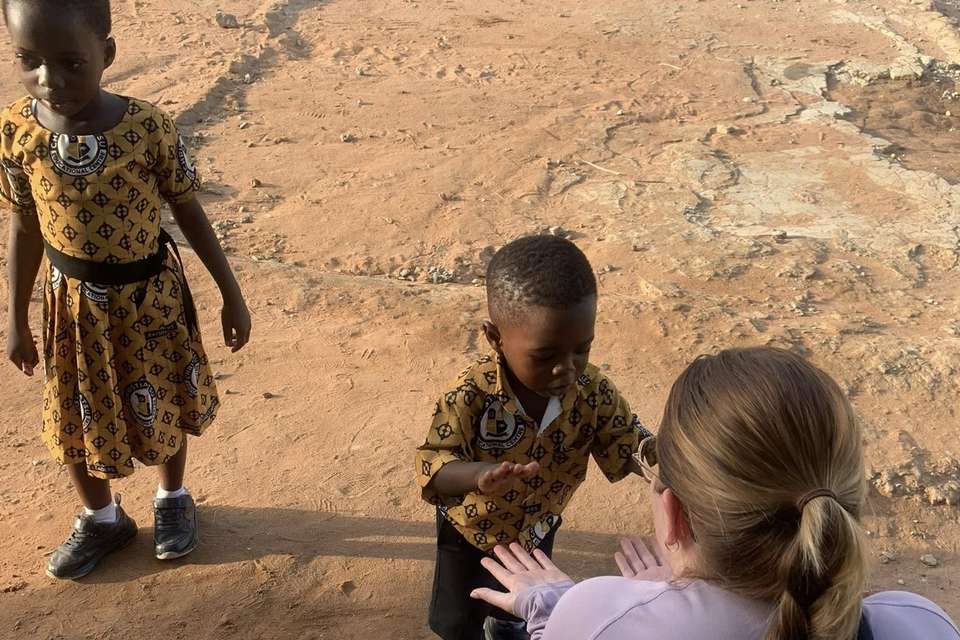
"At times, I did not fully understand the local languages being spoken, so I relied heavily on observing non-verbal cues and therapeutic presence to interpret interactions," she said.
"This experience also gave me a deeper appreciation for the career opportunities available in my hometown. Seeing the limited access to mental health care and graduate roles in Ghana put into perspective the privilege of training and working in Australia."
Kayla has planned to complete an internship at a regional Australian hospital, where she would like to contribute to a multidisciplinary team and provide holistic, collaborative care.
"This was one of the toughest experiences I have undertaken, and I believe it has shaped me into a more grounded and adaptable future psychologist," she said.
"There were many days that I had to put into practice things I would teach clients about and other days I drew a great deal from watching their strength."
For more information on the CQUniCares Alumni Development Fund Grants, visit the alumni benefits webpage.