Bundaberg partnership supports brushstrokes and bytes
By Tiahna Fiddling
Cultural storytelling, visual arts and digital technologies were combined at a recent First Nations and robotics art workshop to empower local young people.
More than a dozen girls aged between 10-16 attended a full-day workshop designed to reduce barriers to participation, build confidence, creativity and practical digital skills.
Held at CQU’s Bundaberg Makerspace, the innovative program was led by CQU Deputy Dean of Learning and Teaching Dr Michelle Vanderburg, with support from the Matana Foundation.
Funding from the Matana Foundation supported the event, alongside the purchase of educational robotics equipment which has already been implemented in the regular school holiday workshops and will continue to be used in future workshops at the Makerspace.
“The support from the Matana Foundation was invaluable in getting this program off the ground,” Dr Vanderburg said.
“This project highlighted the importance of partnerships between universities, philanthropic organisations and local First Nations artists in creating meaningful learning opportunities for young people.
“Small but important support, such as funding for a lunch, helps remove barriers to participation and create a safe, inclusive environment where young people can focus on learning, creativity and connection.”
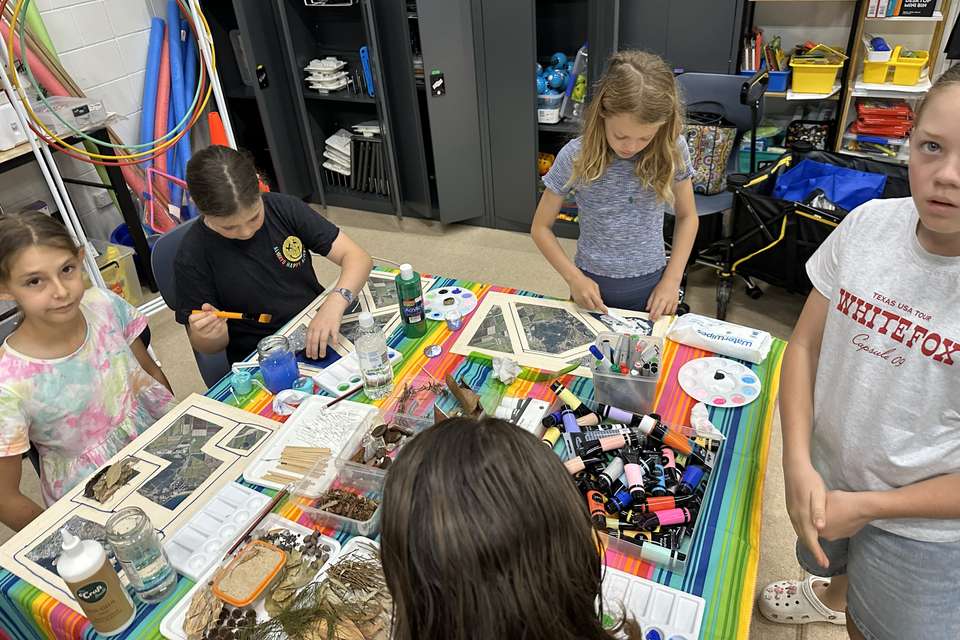
The donation also supplied artist materials and support for local First Nations artist Nicole Wone, a Gooreng Gooreng and Wandjanbarra Yidinji woman, who assisted in the planning and facilitation of the workshop.
“During the workshop, participants used the new robot devices to create lines and patterns that formed the foundation of their artwork, experimenting with movement, direction and sequencing.
“Once completed, Ozobots were programmed to follow the artwork. These robots responded to colour-coded commands embedded within the designs,” she said
“The activities introduced foundational coding concepts such as sequencing, debugging and cause-and-effect, while reinforcing the idea that technology can be used as a creative tool for storytelling and artistic expression.”
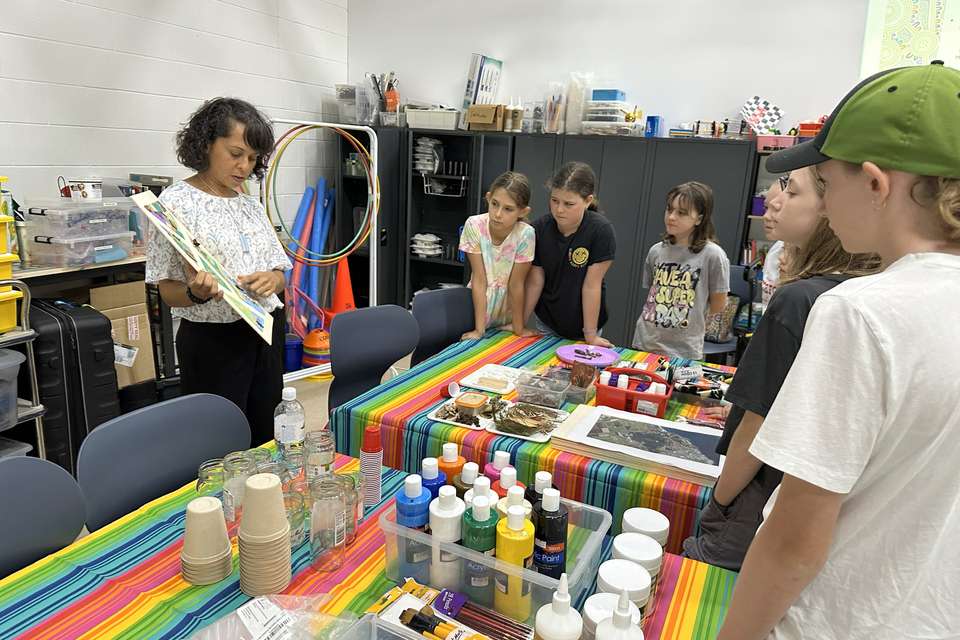
While the workshop was delivered as a pilot program, Dr Vanderburg said the team planned to expand the model by working with more local First Nations artists and communities.
“This workshop was a success in enabling students to engage with emerging technologies while connecting with culture, creativity and community, helping them see themselves as capable learners and creators,” she said.
“We would like to offer ongoing opportunities for young people in the region to engage in culturally responsive and technology-enabled learning experiences in a safe and supportive environment at Bundaberg Makerspace.”
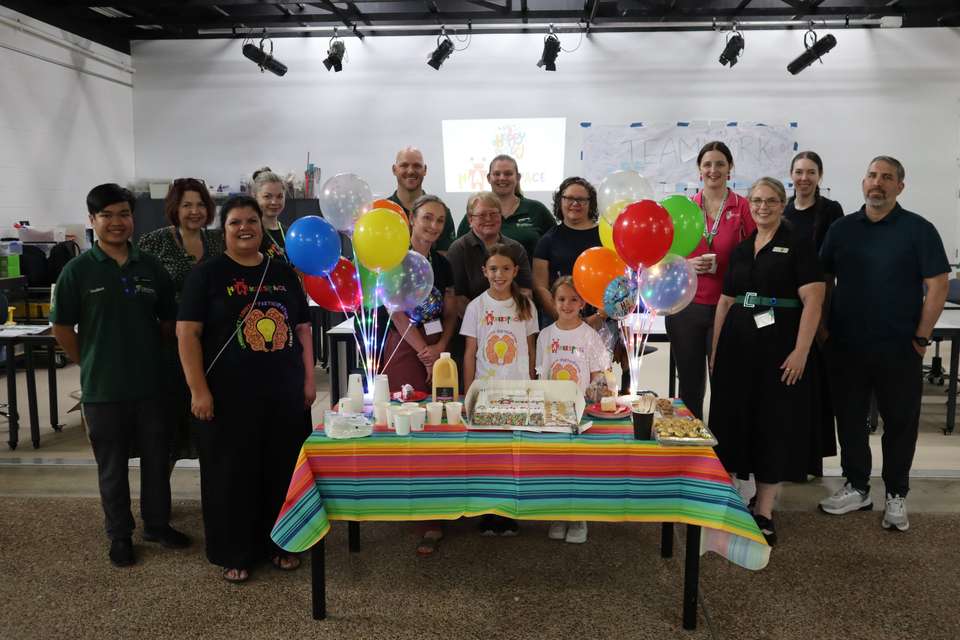
Recently, the Bundaberg Makerspace marked six years of supporting the local community in science, technology, engineering, arts and mathematics learning through workshops and programs.
The space is equipped with a range of emerging technologies, including robotics, drones, virtual reality, micro: bit coding kits, 3D printers and laser cutters, providing young people with opportunities to develop digital capability, creativity and problem-solving skills.