The Integration of Language and Society

About the Research Project

Each language bears an imprint of the society that speaks it — speakers' relationships to each other, their beliefs and ways of viewing the world, and other facets of their social environment, alongside speakers' habitat, subsistence, and physical environment. The way society is integrated with the language spoken by the community is reflected in many linguistic features, also summed up under the notion of language ecology. These include gender and classifiers, information source, speech styles, and ways of telling stories. 

Impact

We focus on the ways in which highly complex minority languages of Amazonia, New Guinea, and Northern Australia reflect their traditional societies and how they change with the encroaching modernity, in collaboration with communities in Brazil, PNG, and North Queensland.

Partners

Project Images

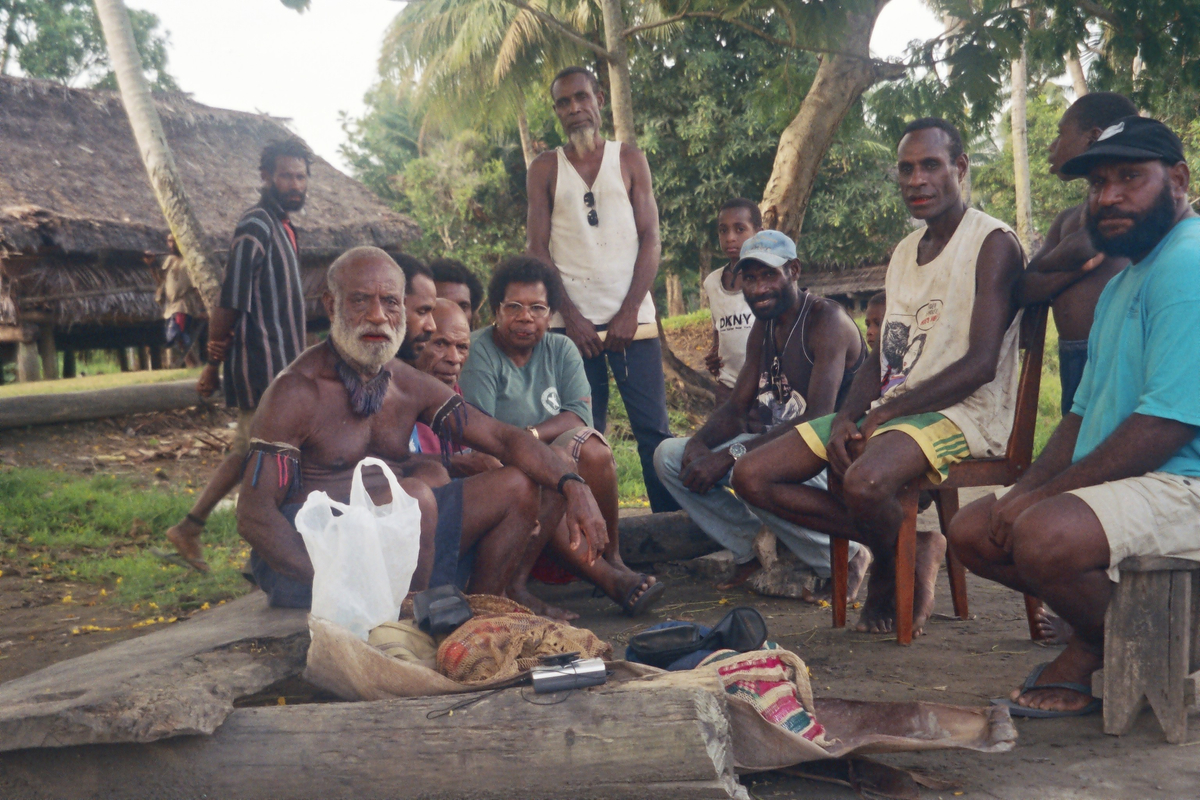
Group of people sitting and standing outdoors under trees
The Manambu people of Avatip and Malu.
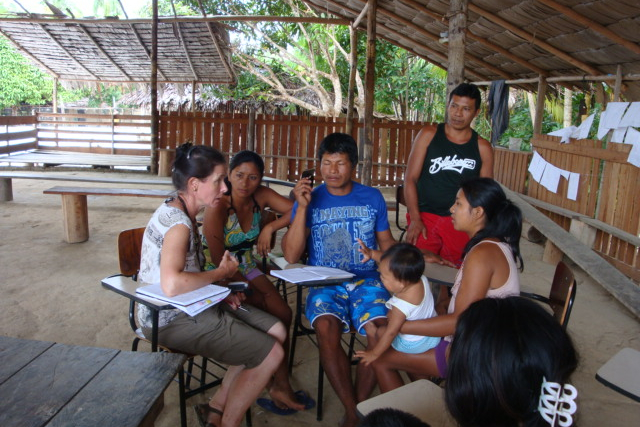
Small group gathered under a thatched roof structure, seated at desks with notebooks and papers
Sacha and the Kumandene Tariana
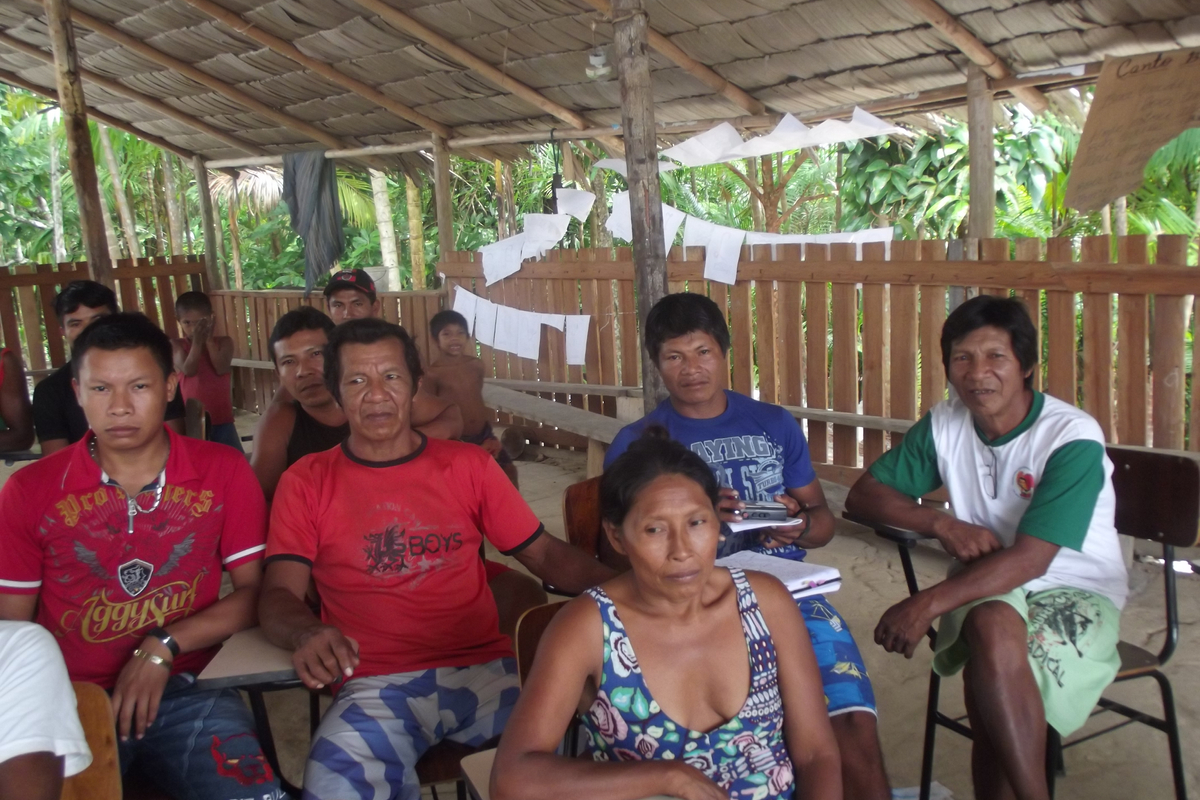
Several people seated at desks under a thatched roof structure
Speakers of Kumandene Tariana Amazonia.

Project Lead

Sustainable Development Goals

At CQUniversity we are committed to embedding sustainable practice in our operations, interactions and relationships, underpinned by the United Nations Sustainable Development Goals. Sustainability is one of our strategic pillars within our Strategic Plan 2019-2023.

This project aligns with the following SDG Goals:

  • 3 – Good Health and Wellbeing
  • 4 – Quality Education
  • 13 – Climate Action
  • 18 – Peace, Justice and Strong Institutions

Good Health and Well-being - Top 30 logo 2025
Quality Education - Top 70 logo 2025
Peace, Justice and Strong Institutions - Top 50 logo 2025