The Dyirbal Language of North Queensland: Documentation and Maintenance

About the Research Project

The Dyirbal language with its many varieties (including Jirrbal, Girramay, Ngajan, and Mamu) is spoken across ten First Nations in an area from Tully to Atherton, Far North Queensland. This language, and the traditional speakers it represents, are remarkable in many aspects – including the elaborate classificatory kinship system and many grammatical features documented by the lead investigator since 1963. Among them is a special gender for edible plants which reflects their importance in the traditional subsistence. A fascinating feature of Dyirbal is a special speech style which must be used in the presence of any kin who are in an ‘avoidance’ relationship, that is, in-laws. This has the same grammar and phonetics as the everyday style of speech, but an entirely different vocabulary.

Impact 

We are working towards language maintenance of Dyirbal (focus on Jirrbal), in collaboration with the Jirrbal Aboriginal corporation and the Ravenshoe State School, with support from First Languages Australia. The project has led to the publication of R. M. W. Dixon’s new book, titled ‘The anatomy of avoidance: A full study of Jalnguy, the Dyirbal 'mother-in-law language’ (2025), which is the first comprehensive study of this in-law avoidance language, providing fascinating new insights into register variation and the complexities of kinship in Australian languages.

Partners

Project Images

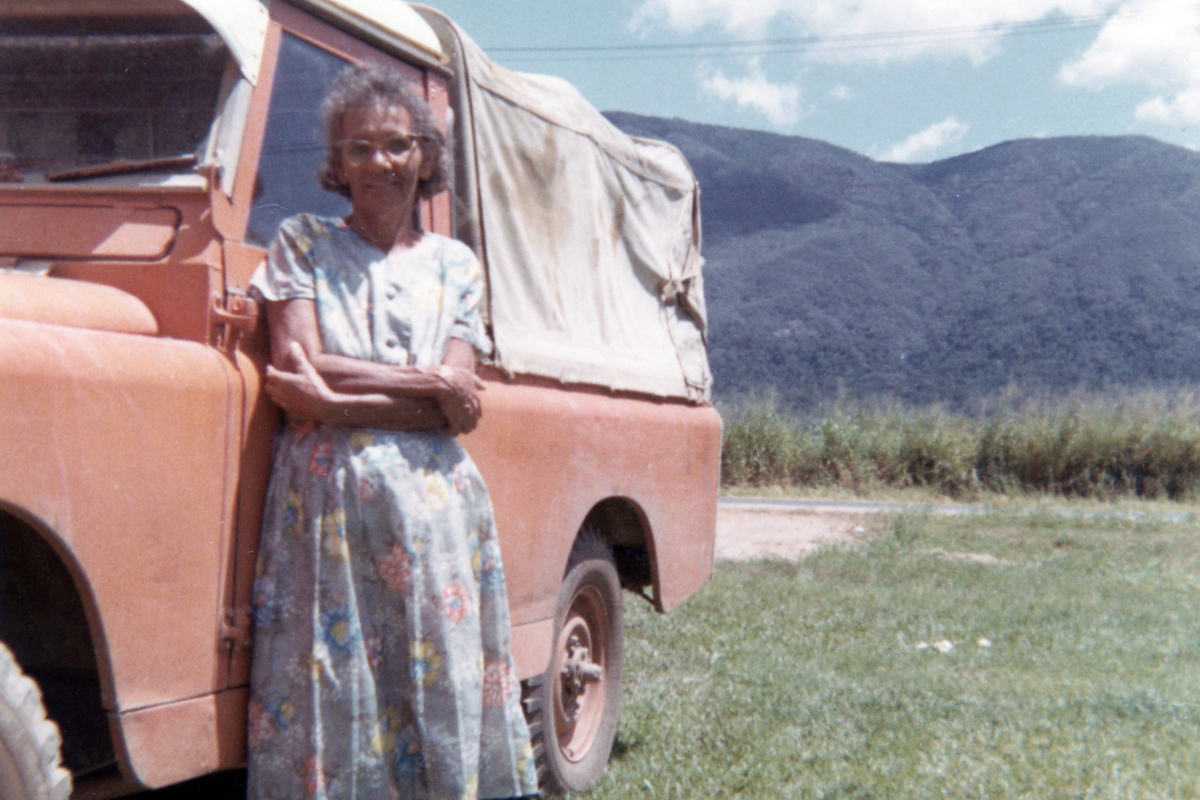
Chloe Grant stands with arms folded beside a red utility vehicle parked on grass.
Chloe Grant
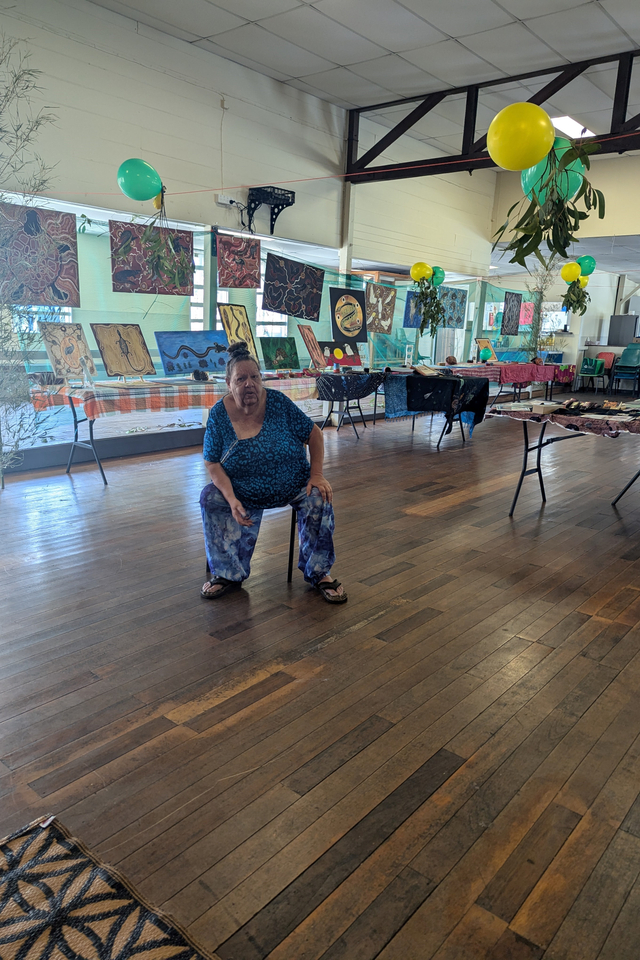
A person sits on a chair in a large hall with wooden floors and tables display artworks.
Dyirbal language
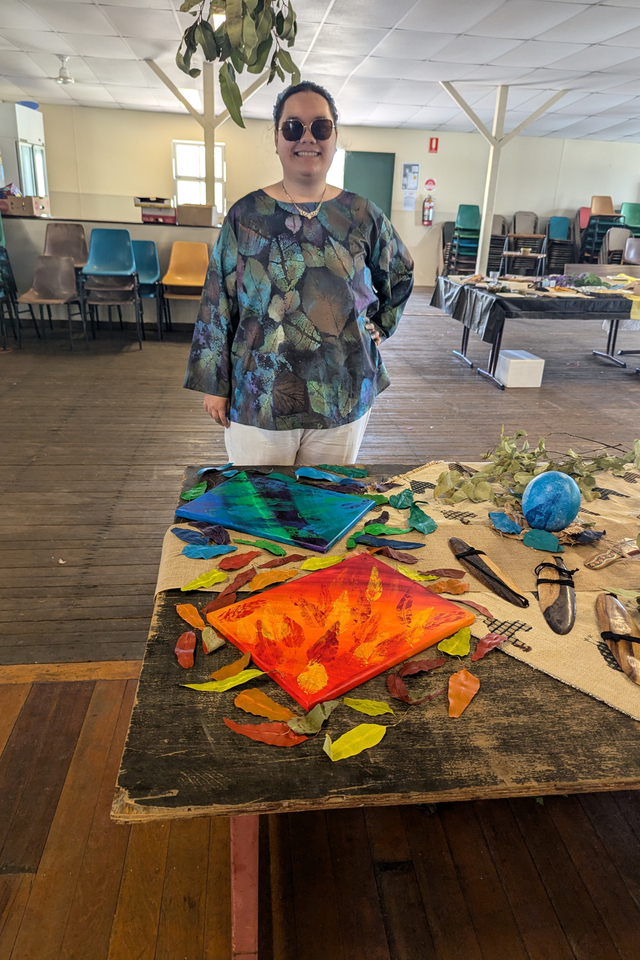
Jirrbal artist Annette Lenahan stands behind a table displaying colorful artworks.
Jirrbal artist Annette Lenahan at art show.

Project Lead

Sustainable Development Goals

At CQUniversity we are committed to embedding sustainable practice in our operations, interactions and relationships, underpinned by the United Nations Sustainable Development Goals. Sustainability is one of our strategic pillars within our Strategic Plan 2019-2023.

This project aligns with the following SDG Goals:

  • 4 – Quality Education
  • 5 – Gender Equality 
Quality Education - Top 70 logo 2025
Gender Equality - Top 40 logo 2025