
Healthy Shiftwork: Building a Healthier, Safer 24-Hour Workforce

Key points
- Australia’s first evidence-based Healthy Shiftwork Resource Hub provides practical, research-backed guidance to help shiftworkers improve their sleep, nutrition, physical activity and mental health.
- Co-designed with shiftworkers, health and safety experts, researchers, science communication specialists and creatives, the initiative translates decades of shiftwork research into clear, engaging and accessible resources.
- Through free resources, practical tools, training and tailored workplace support, Healthy Shiftwork helps shiftworkers and organisations make sustainable changes that support health, safety, wellbeing and performance.
Our Research
Challenge
More than two million Australians work outside traditional daytime hours, including healthcare workers, emergency responders, transport operators, miners and hospitality staff. For these workers, maintaining good health is rarely as simple as following standard advice about when to sleep, eat or exercise.
Non-standard schedules can disrupt sleep and circadian rhythms, increase fatigue and make it harder to eat well and stay physically active. Over time, these pressures can affect health, wellbeing, safety and performance.
Yet most health information has traditionally been designed for people who work regular daytime hours. Shiftworkers and their employers have lacked clear, practical and evidence-based guidance that reflects the realities of rotating rosters, night work, early starts and irregular schedules. Decades of research existed, but much of it had not been translated into advice that workers could easily understand and apply.
Solution
Healthy Shiftwork was created to fill this gap.
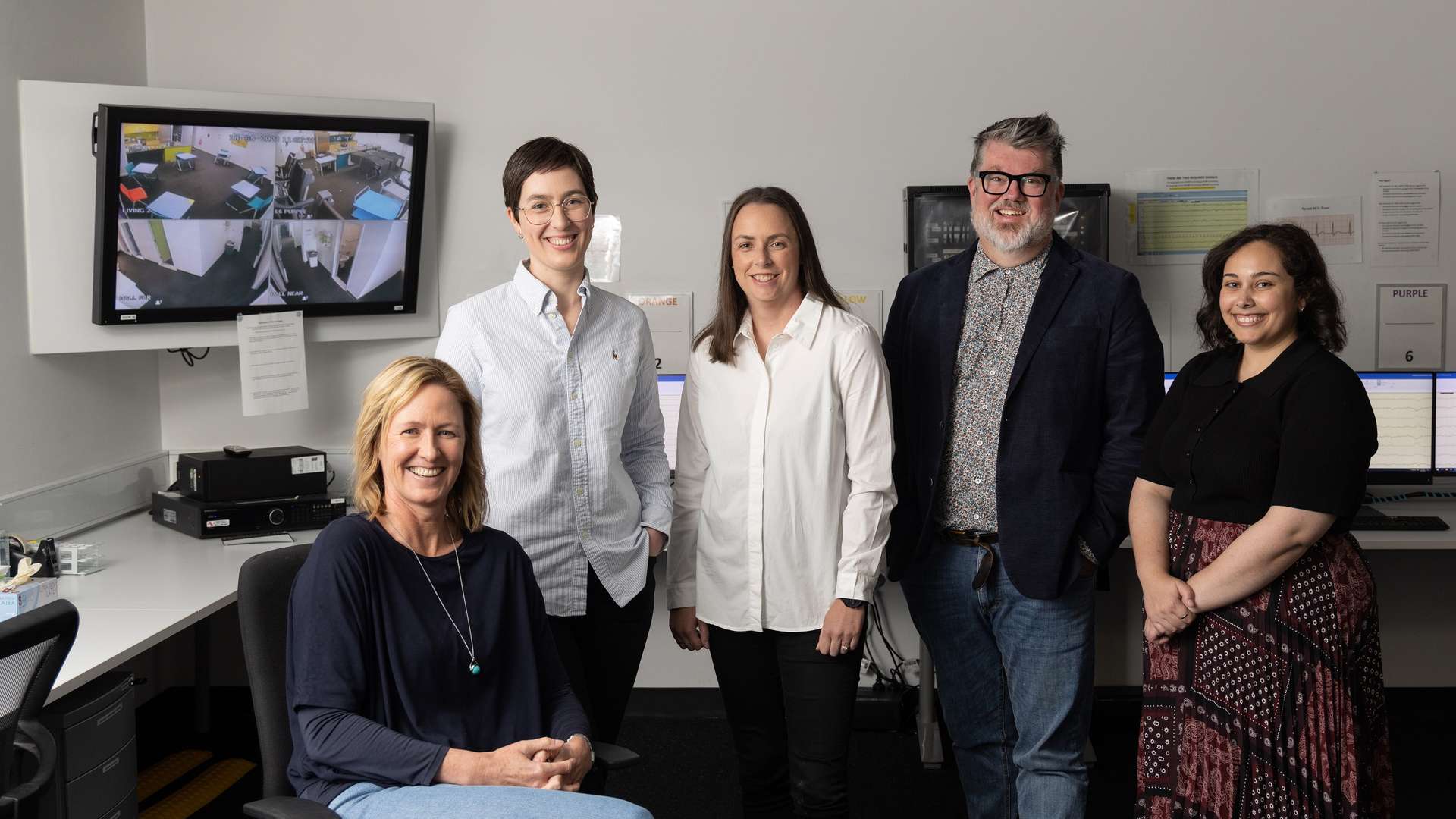
Researchers from CQUniversity’s Appleton Institute developed Australia’s first online, evidence-based resource hub dedicated to the health and wellbeing of shiftworkers. The initiative translates decades of shiftwork research into practical strategies that workers can use across different industries and roster types.
Healthy Shiftwork was developed with input from shiftworkers, workplace health and safety experts, researchers, science communication specialists and creatives. This collaborative approach ensured the resources were not only scientifically credible, but also engaging, accessible and grounded in the realities of working non-standard hours.
The hub provides practical guidance on:
• sleep, circadian rhythms and fatigue
• strategic napping and caffeine use
• nutrition and eating patterns around different shifts
• physical activity, recovery and maintaining physical health
• strategies that can be adapted to different rosters and workplaces
• downloadable infographics, videos, animations and other educational resources.
By turning complex research into clear and usable information, Healthy Shiftwork gives workers practical tools to make informed decisions about their health. It also supports employers through training, resources and tailored workplace solutions designed to strengthen wellbeing, fatigue management, safety and performance.
Impact
Empowering healthier shiftworkers
Healthy Shiftwork gives people working non-standard hours practical, evidence-based guidance they can apply to their own roster, workplace and circumstances. By making research on sleep, nutrition, physical activity, mental health and fatigue easier to understand and use, the initiative helps shiftworkers make informed decisions that support their health, wellbeing and safety.
The resources are also helping prepare the next generation of shiftworkers, with Healthy Shiftwork incorporated into undergraduate nursing and paramedicine education at CQU.
Translating research into practice
Healthy Shiftwork has moved beyond research publications and a standalone website into real-world implementation. Queensland Health has adopted tailored Healthy Shiftwork resources for its workforce, including healthcare-specific infographics and educational animation content.
The NSW Office for the 24-Hour Economy is also working with the research team to adapt Healthy Shiftwork resources for people employed across New South Wales’ diverse 24-hour economy. This includes practical content addressing sleep, nutrition, physical activity and mental health.
These partnerships demonstrate how research developed at CQUniversity can be adapted for large and varied workforces, extending its reach well beyond academia.
Supporting healthier workplaces
Healthy Shiftwork also equips employers and workplace health professionals with evidence-based resources, training and tailored support to address the health, wellbeing and safety challenges associated with non-standard work hours.
The research team has worked with organisations across healthcare, emergency services, policing, transport, resources and other 24-hour industries. This includes collaboration with the Black Dog Institute to inform shiftwork-specific content and case studies for a national sleep education and intervention program for Australian healthcare professionals.
- Associate Professor Grace Vincent – Project Lead and sleep and shiftwork researcher specialising in workplace health and behavioural interventions.
- Professor Sally Ferguson – Director of the Appleton Institute and an internationally recognised expert in circadian biology, sleep, shiftwork and fatigue risk management.
- Dr Charlotte Gupta – Researcher specialising in sleep, nutrition and meal timing for shiftworkers.
- Dr Madeline Sprajcer – Researcher specialising in sleep, fatigue, shiftwork and fatigue risk management in safety-critical sectors.
- Dr Alexandra Shriane – Sleep health researcher specialising in education and interventions for shiftworkers, and lead author of the world-first consensus sleep guidelines for shiftworkers.
- Dr Gabrielle Rigney – Sleep researcher specialising in sleep education, eHealth and the translation of sleep research into practical guidance.
- Dr Cassie Hilditch – Sleep researcher specialising in sleep inertia, napping and fatigue in operational settings.
- Associate Professor Matthew Thomas – Human factors and safety management expert specialising in high-risk work environments and fatigue risk.
- Associate Professor Robert Stanton – Exercise and mental health researcher with expertise in physical activity and wellbeing.
- Associate Professor Jessica Paterson – Clinical psychologist and researcher specialising in sleep, fatigue, trauma and mental health.
- Professor Tracy Kolbe-Alexander, University of Southern Queensland – Public health and physical activity researcher specialising in workplace health promotion and wellbeing.
- 10,000 Steps
- Appleton Institute, CQUniversity Australia
- American Academy of Sleep Medicine
- Australasian Sleep Association
- Australian Citizen Science Association
- Sleep Health Foundation
- Shiftworkers, workplace health and safety experts, science communication specialists and creative partners who co-designed the platform.
- Shriane, A. E. et al. (2023). “Healthy sleep practices for shift workers: Consensus sleep hygiene guidelines using a Delphi methodology.” SLEEP. This study produced the world’s first expert consensus sleep guidelines specifically for shiftworkers.
- Sprajcer, M. et al. (2025). "I just didn't find time to exercise": Co-designed physical activity resources for young Australian shiftworkers. Health Promotion International.
- Shriane, A. E. et al. (2025). Co-designed resources to improve sleep health in young shiftworkers: a qualitative study. Sleep Medicine.
- Shriane, A. E. et al. (2024). “Healthy from the Start: Co-Designing Sleep, Nutrition and Physical Activity Resources for Young Shiftworkers—Novel Implementation and Evaluation.” Health Expectations
- RT Health, How to balance shift work and your health
- Research Australia INSPIRE magazine: “No one told us how to manage shiftwork.” Pg 10-13
- 10,000 Steps, Physical Activity for Shiftworkers: Enhancing Health and Wellbeing
- CQU launches health resource hub for shiftworkers
- Healthy Shiftwork: Helping Shiftworkers Sleep Smarter, Eat Better and Thrive on the Job
- Healthy Shiftwork Resource Hub
- World-first guidelines offer sweet dreams for shift workers
Read other impact stories
Machine Learning Digital Assistant to Improve Sleep, Activity, and Safety in Shiftworkers
Australia’s first hyper-personalised machine learning-based sleep and physical activity digital assistant, designed to enhance productivity and safety for shiftworkers.

AI insights supercharging lab-grown brain research
Discover our research on harnessing artificial intelligence to improve healthcare.

Global mission for female athletes
Learn more about our research to support female athletes through pregnancy, postpartum and parenthood.

Subscribe to Impact Connections
Stay up to date with the latest CQUniversity research making a difference in communities across Australia and around the world. Subscribe to the Impact Connections newsletter.
Sustainable Development Goals
SDG 3 Good Health and Wellbeing
Find out about our activities, policies and initiatives aligned to SDG3 Good Health and Wellbeing.
SDG 8 Decent Work and Economic Growth
Explore our commitment to SDG8- Decent Work and Economic Growth

SDG 17 Partnerships for the Goals
Our commitment to the United Nation's Sustainable Development Goals (SDGs), is demonstrated through a range of activities and initiatives aligned to SDG17 Partnerships for the Goals.